Babarmahal-11, Kathmandu (Near King's College)
9869730777 | 9709139250 | 9709139260
lalitpurholidays@gmail.com
Babarmahal-11, Kathmandu (Near King's College)
Explore the remote northern approach to Annapurna I through Myagdi, trekking via Humkhola, Sandhikharka, Bhusket Mela and Panchakunda before reaching North ABC at approximately 4,190m.
This is a fast-paced high-altitude itinerary reaching approximately 4,190m within five days. Previous trekking experience and good physical fitness are recommended. Travellers who prefer a slower ascent can ask Lalitpur Holidays about a longer itinerary with additional acclimatization time.
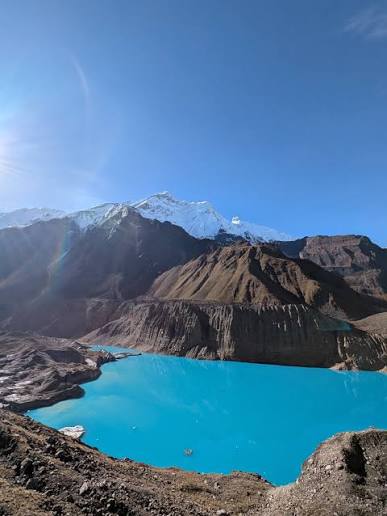
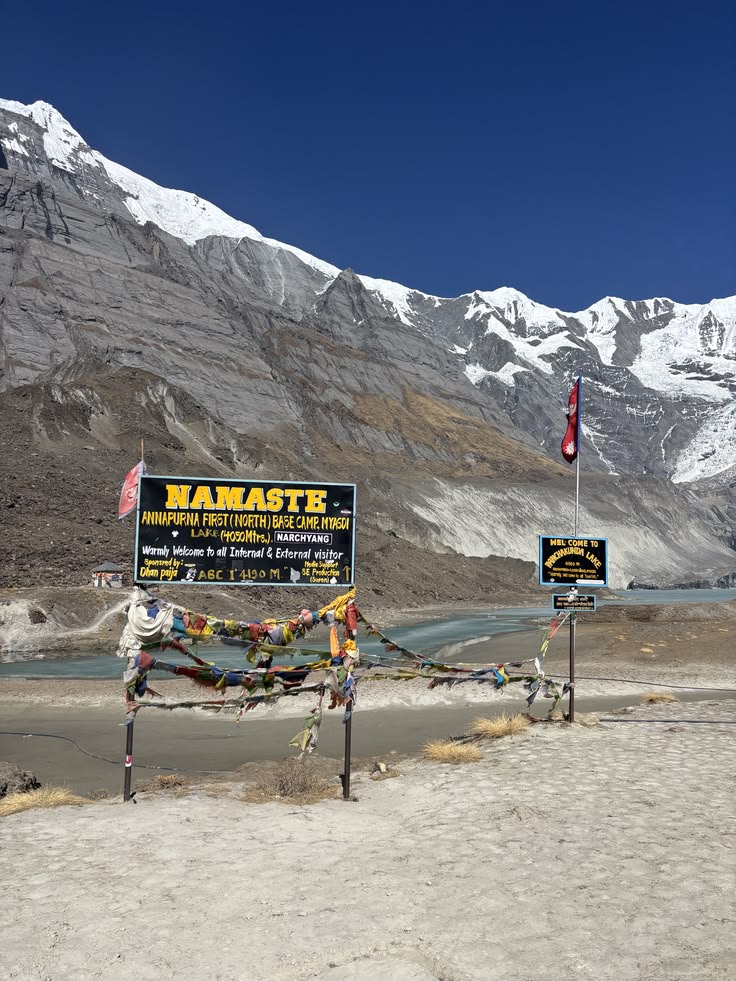
Panchakunda is a high-altitude lake area on the final approach to North Annapurna Base Camp. Located at approximately 4,050m, it provides a dramatic alpine setting surrounded by rugged terrain beneath the northern Annapurna massif. The site is also commonly referred to as Narchyang Lake on current North ABC route descriptions.
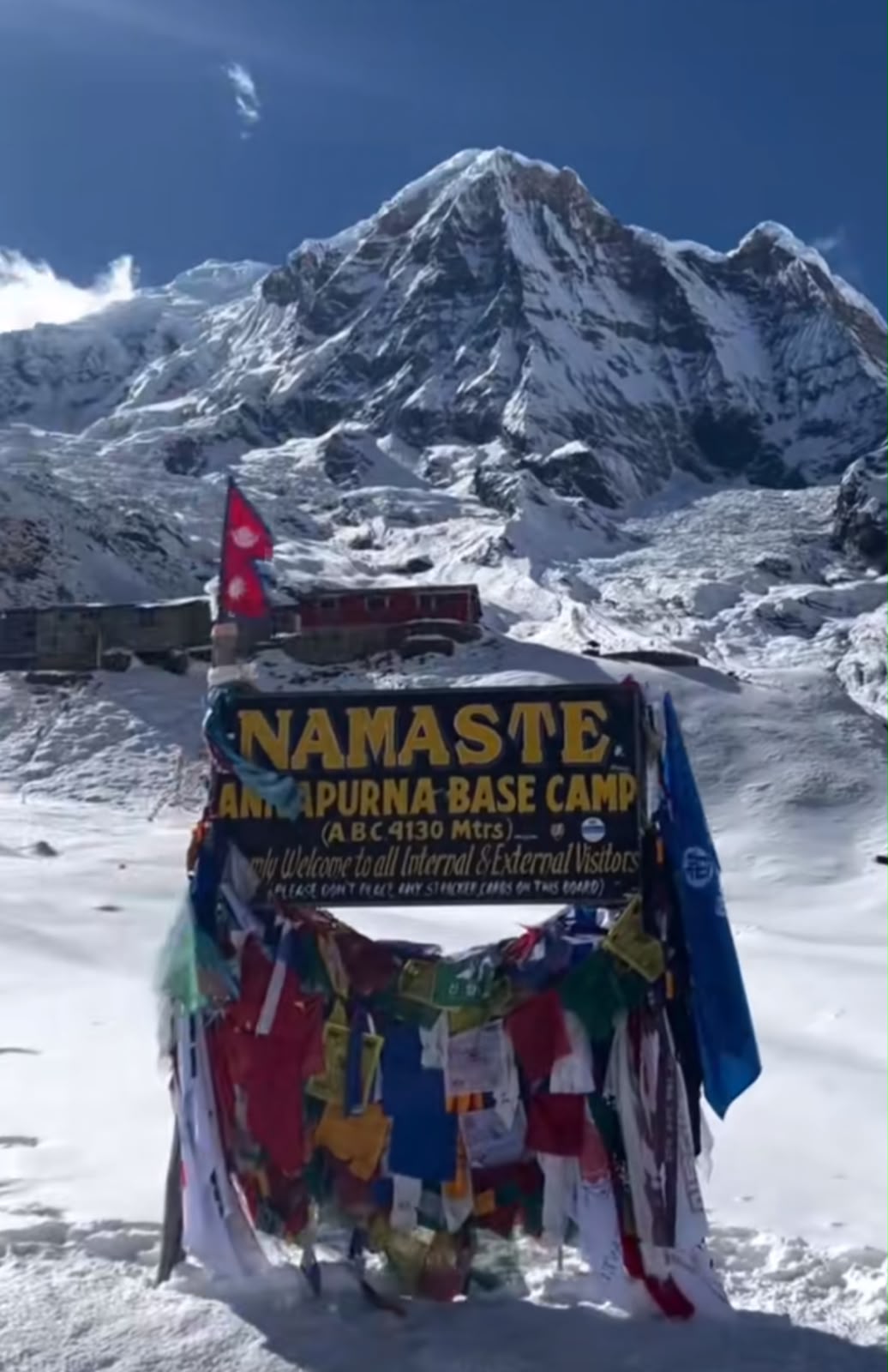
North Annapurna Base Camp lies beneath the northern side of Annapurna I at approximately 4,190m. Unlike the well-known Annapurna Base Camp trek through the Annapurna Sanctuary from the south, this route approaches the mountain from the Myagdi and Narchyang side. The high-altitude landscape is more remote and relies more heavily on camping and local trail support than the established southern ABC route.
The North ABC route follows a much less-developed approach through Narchyang and Humkhola in Myagdi. The journey combines remote mountain roads, forest trails, high alpine terrain and camping before reaching the northern base-camp area. It is particularly suited to trekkers looking for a different Annapurna experience beyond the established southern ABC trail.
The northern Annapurna approach is closely associated with the historic 1950 French Annapurna expedition led by Maurice Herzog. Nepal Tourism Board has promoted the Narchyang–North ABC trail as a route following the footsteps of the expedition that made the first ascent of Annapurna I, the first successful ascent of an 8,000-metre mountain.
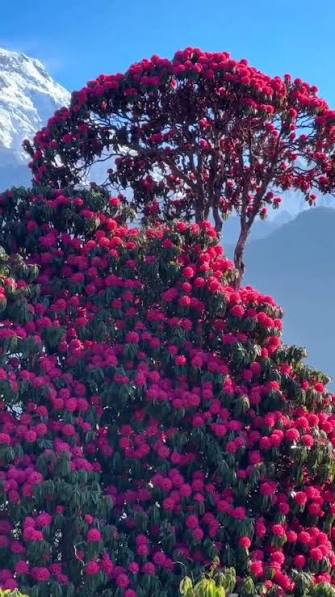
The approach from Humkhola passes through forested mountain terrain, including rhododendron areas that can be especially attractive during spring. As elevation increases, the route gradually transitions toward more open and rugged alpine landscapes around Bhusket Mela and Panchakunda.
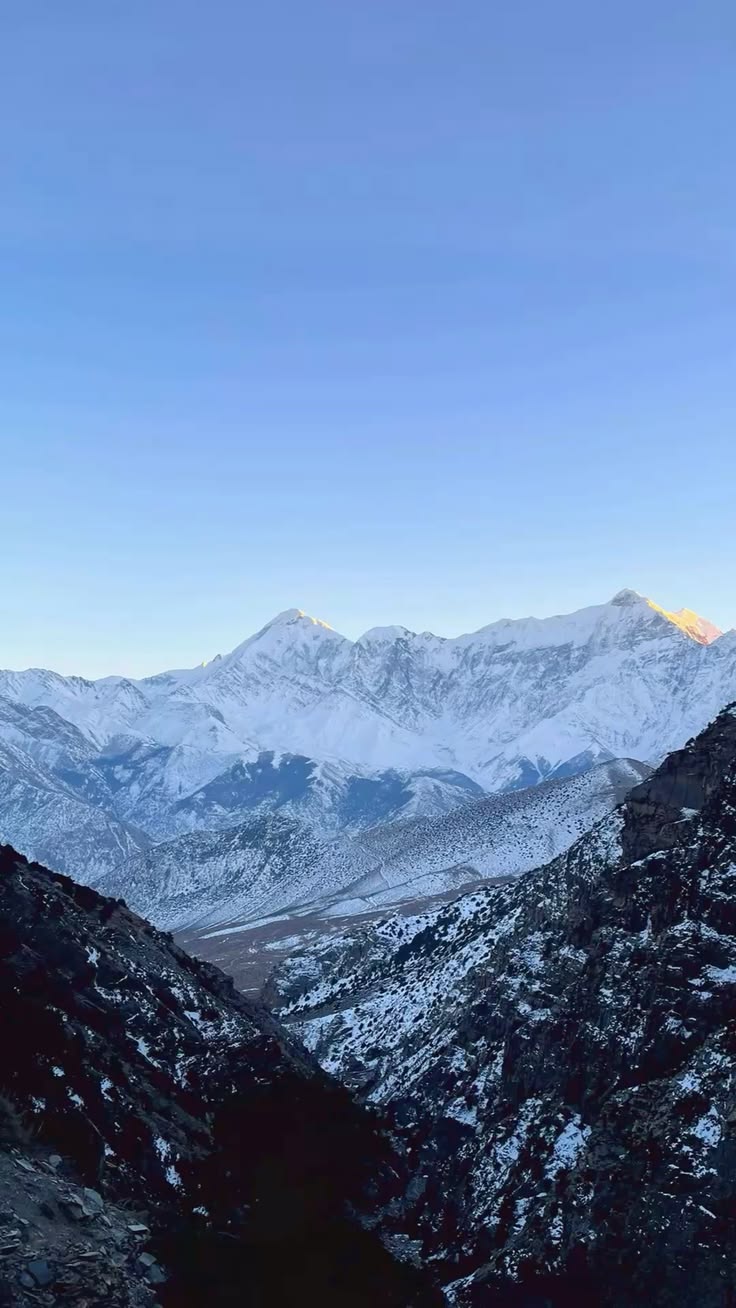
Clear-weather sections of the trek provide dramatic views across the Annapurna and Nilgiri mountain landscape, with increasingly close views of Annapurna I as trekkers approach North Base Camp.
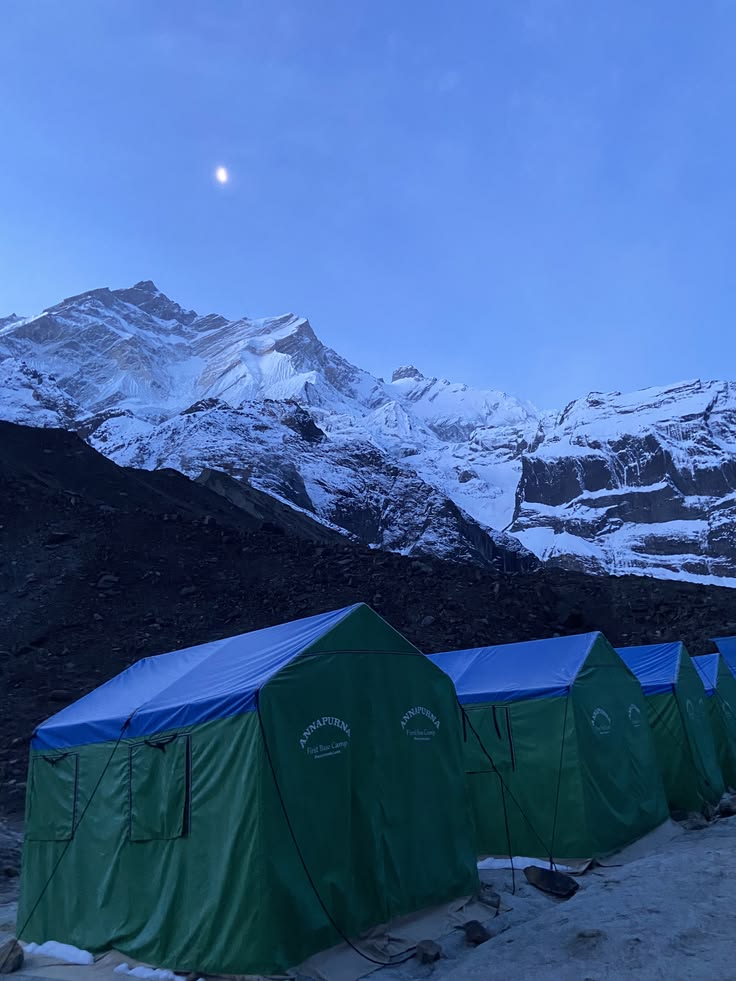
Days 2 and 3 of the trek involve tent camping at Sandhikharka or Bhusketmela and at or near Pancha Kunda. This is not a tea house trek - the high sections require tent accommodation.
Camping on the high sections gives the journey a more adventurous and remote character than standard teahouse trekking routes.
Panchakunda is a high-altitude lake area on the final approach to North Annapurna Base Camp. Located at approximately 4,050m, it provides a dramatic alpine setting surrounded by rugged terrain beneath the northern Annapurna massif. The site is also commonly referred to as Narchyang Lake on current North ABC route descriptions.
North Annapurna Base Camp lies beneath the northern side of Annapurna I at approximately 4,190m. Unlike the well-known Annapurna Base Camp trek through the Annapurna Sanctuary from the south, this route approaches the mountain from the Myagdi and Narchyang side. The high-altitude landscape is more remote and relies more heavily on camping and local trail support than the established southern ABC route.
The North ABC route follows a much less-developed approach through Narchyang and Humkhola in Myagdi. The journey combines remote mountain roads, forest trails, high alpine terrain and camping before reaching the northern base-camp area. It is particularly suited to trekkers looking for a different Annapurna experience beyond the established southern ABC trail.
The northern Annapurna approach is closely associated with the historic 1950 French Annapurna expedition led by Maurice Herzog. Nepal Tourism Board has promoted the Narchyang–North ABC trail as a route following the footsteps of the expedition that made the first ascent of Annapurna I, the first successful ascent of an 8,000-metre mountain.
The approach from Humkhola passes through forested mountain terrain, including rhododendron areas that can be especially attractive during spring. As elevation increases, the route gradually transitions toward more open and rugged alpine landscapes around Bhusket Mela and Panchakunda.
Clear-weather sections of the trek provide dramatic views across the Annapurna and Nilgiri mountain landscape, with increasingly close views of Annapurna I as trekkers approach North Base Camp.
Days 2 and 3 of the trek involve tent camping at Sandhikharka or Bhusketmela and at or near Pancha Kunda. This is not a tea house trek - the high sections require tent accommodation.
Camping on the high sections gives the journey a more adventurous and remote character than standard teahouse trekking routes.
Away from the crowded main Annapurna routes. Genuinely quiet trail with very few other groups.
A remote alternative to the standard southern ABC approach.
High-route tent camping adds a wilderness trekking experience.
Panchakunda, alpine terrain and close Annapurna views provide strong photography opportunities.
Best suited to travellers comfortable with consecutive trekking days and rapid altitude gain.
Depart Kathmandu and travel west toward Beni, the administrative centre of Myagdi District and gateway to the northern Annapurna approach. The road journey passes through the central hills of Nepal before continuing toward Beni.
After breakfast, continue from Beni toward Humkhola by jeep. Humkhola marks the beginning of the trekking section. From here, follow the mountain trail through forested terrain toward Sandhikharka and the higher Bhusket Mela area.
Continue into increasingly rugged high-altitude terrain toward Panchakunda, also known on the North ABC route as the Narchyang Lake area. The landscape gradually changes from forested slopes to rocky alpine terrain and open mountain scenery.
Panchakunda lies at approximately 4,050m and serves as the high-altitude staging area for the final approach to North Annapurna Base Camp.
Start early for the final ascent from the Panchakunda/high-camp area to North Annapurna Base Camp at approximately 4,190m. Spend time beneath the northern side of Annapurna I before beginning the long descent toward Humkhola.
From Humkhola, continue by vehicle through the Narchyang/Tatopani side and onward toward Pokhara.
Note: This is a long trekking and driving day. Actual timings can vary depending on group pace, weather, trail conditions and road access.
After breakfast in Pokhara, begin the return journey to Kathmandu by tourist bus or arranged vehicle. Travel time varies according to traffic and road conditions. Arrival in Kathmandu marks the end of the 4-night, 5-day North Annapurna Base Camp journey.
| Day | Location | Altitude |
|---|---|---|
| Day 1 | Kathmandu → Beni | 1,400m → 899m |
| Day 2 | Humkhola | 2,883m |
| Day 3 | Sandhikharka / Bhusket Mela | 3,160m–3,550m |
| Day 3 | Panchakunda High Camp | 4,050m |
| Day 4 | North Annapurna Base Camp | 4,190m |
| Day 4 | Pokhara | approx. 822m |
| Day 5 | Kathmandu | approx. 1,400m |
Note: This itinerary gains altitude quickly and should not be treated as a casual beginner trek. Guests should inform the guide immediately if symptoms of altitude illness develop and should not continue to a higher sleeping altitude when symptomatic. A longer itinerary with additional acclimatization time can be considered for travellers concerned about rapid ascent.
Gateway town in Myagdi for the northern approach
Access area and high-route trailhead
Mountain stop on the upper trekking route
High-altitude trekking and camping area
High-altitude lake area around 4,050m
Highest point of the trek at approx. 4,190m
Overnight stop before returning to Kathmandu
Recommended; generally favourable trekking period
Recommended; usually good visibility and trekking conditions
Conditions dependent; rain can affect trails and road access
Conditions dependent; snow and severe cold can make the high route significantly harder
April is particularly special for this trek - the rhododendron forest below 3,500m is in full bloom creating a spectacular approach to the high altitude lake plateau.
October offers the best combination of clear skies, lake reflections and comfortable temperature for the tent camp nights.
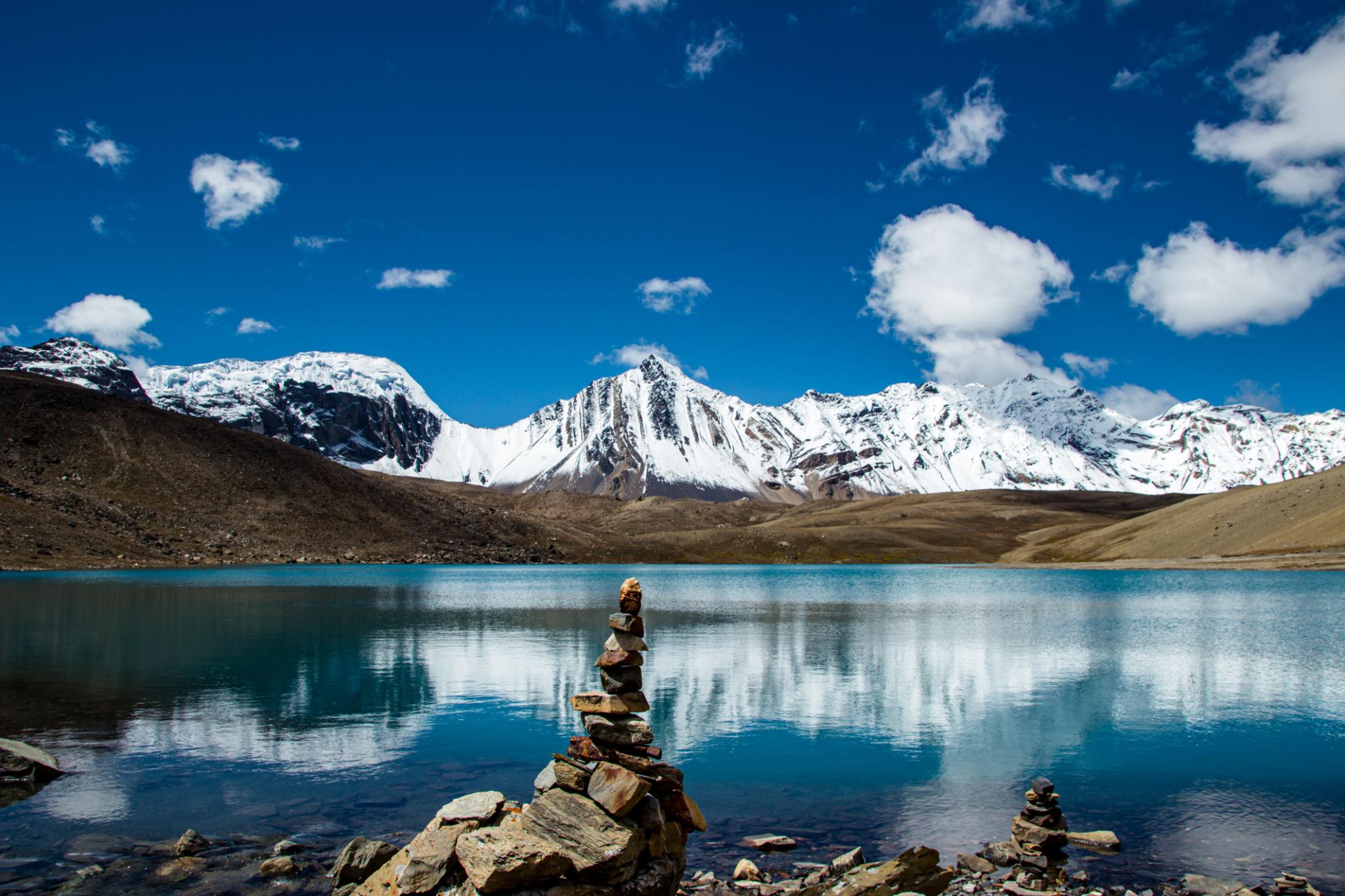
The Panchakunda area offers mountain, lake and alpine-landscape photography in clear conditions. Reflections, changing mountain light and the surrounding rugged terrain can provide particularly strong compositions.
Clear sections of the trail offer broad Himalayan views as the route gains altitude toward Panchakunda and North ABC.
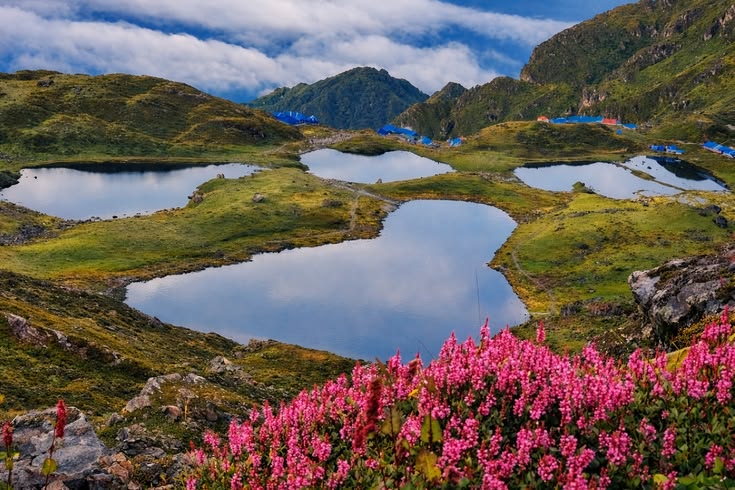
The explosion of pink and red rhododendron blooms in April along the approach trail. Nepal's national flower at its most spectacular - dense forest with filtered light through the canopy. Best in the early morning when light is soft.
Tents on the high alpine plateau at 3,500-4,000m under a clear Himalayan night sky. Star trails possible with long exposure. The silence at this altitude at night is profound.
Standing at the ANBC looking up at the sheer north face - ice cliffs, hanging glaciers and the summit ridge 4,000m above your head. The North ABC area provides close mountain-scale perspectives beneath Annapurna I, particularly impressive in clear morning conditions.
Group pricing and departure availability may vary. Contact Lalitpur Holidays on WhatsApp for the latest departure information and package confirmation.
The route travels from Beni at around 899m to sleeping elevations above 3,000m in a short period. Individual responses to altitude vary considerably, so trekkers should pay close attention to symptoms and follow the guide's instructions.
AMS can affect anyone above 3,000m - regardless of fitness or experience.
Severe breathlessness or shortness of breath at rest, confusion, loss of coordination or rapidly worsening symptoms require urgent attention and descent. Inform the guide immediately.
Bring a suitable cold-weather sleeping bag for high-altitude camping. Recommended temperature ratings can vary by season, so confirm current conditions with Lalitpur Holidays before departure.
Send a message to 9869730777 .
Pay 30% advance via NepalPay QR to confirm.
We arrange permits, camping equipment and transport immediately on confirmation.
Full payment before departure from Kathmandu.
Our guide meets you at the departure point.
Office: Babarmahal-11, Kathmandu 📞 9869730777 | 9709139250 | 9709139260
The upper section of the North ABC trek uses tent camping. Facilities are considerably more limited than on established teahouse routes.
This is a moderate-to-challenging, fast-paced itinerary with rapid altitude gain. Good fitness and previous trekking experience are recommended.
Spring and autumn are generally preferred. Departures remain dependent on mountain weather, trail conditions and road access.
Lalitpur Holidays will confirm the permits and documents applicable to your nationality and itinerary before departure.
Do not rely on regular electricity or charging facilities on the upper route. Carry sufficient battery capacity.
Carry a safe method of treating trail water where required.
Appropriate high-altitude trekking insurance including emergency evacuation is strongly recommended.
The guide may adjust camps, timing or route details when required for weather, trail conditions, road access or group safety.
The regular Annapurna Base Camp trek approaches the Annapurna Sanctuary from the south through areas such as Chhomrong and Machhapuchhre Base Camp. North ABC approaches Annapurna I from the Myagdi and Narchyang side through Humkhola, Sandhikharka, Bhusket Mela and Panchakunda. The North ABC route is less developed and relies more heavily on camping. See regular Annapurna Base Camp Trek.
Yes. The planned itinerary reaches North Annapurna Base Camp at approximately 4,190m after trekking through the Panchakunda/high-camp area. Access remains subject to weather, trail conditions and the guide's safety assessment.
Panchakunda is a high-altitude lake area at approximately 4,050m on the final approach to North Annapurna Base Camp. It is also commonly referred to as Narchyang Lake in descriptions of the northern Annapurna route.
The 5-day itinerary is best described as moderate to challenging because of the rapid altitude gain, remote terrain and high-altitude camping. Good fitness and previous trekking experience are recommended.
Yes. The high sections of this itinerary use tent camping because accommodation infrastructure is much more limited than on the regular Annapurna Base Camp route. Lalitpur Holidays will confirm the camping arrangements before departure.
A longer itinerary may be arranged on request, subject to availability. Additional time can provide a slower ascent for travellers who prefer more acclimatization before reaching the highest section.
Spring and autumn are generally the preferred trekking seasons. Weather, snow, rainfall and road conditions can affect the route at any time, so departure conditions should always be checked before travel.
One of the world's highest altitude lakes ~ 5N/6D
Price from: Rs. 22,000
Annapurna Sanctuary from the south ~ 7-10 days
Contact for price
Five sacred alpine lakes ~ 3N/4D
Price from: Rs. 12,000