Babarmahal-11, Kathmandu (Near King's College)
9851345327 | 9714571653 | 9714571654
lalitpurholidays@gmail.com
Babarmahal-11, Kathmandu (Near King's College)
Travel through the Kali Gandaki Valley into Mustang for a sacred Muktinath darshan journey combined with Jomsom, Kagbeni, Marpha and Pokhara.
Visit Muktinath Temple at approximately 3,750 metres, experience its Hindu and Buddhist pilgrimage heritage and enjoy the dramatic mountain landscapes of Mustang on a 3-night, 4-day road tour from Kathmandu.
Choose an EV Van package at NPR 9,500 per person or a Jeep package at NPR 13,000 per person.
The Muktinath Tour Package is a 3-night, 4-day pilgrimage and sightseeing journey from Kathmandu into the Mustang region of Nepal.
Travel through Beni and the Kali Gandaki Valley before reaching Jomsom, Kagbeni and sacred Muktinath Temple.
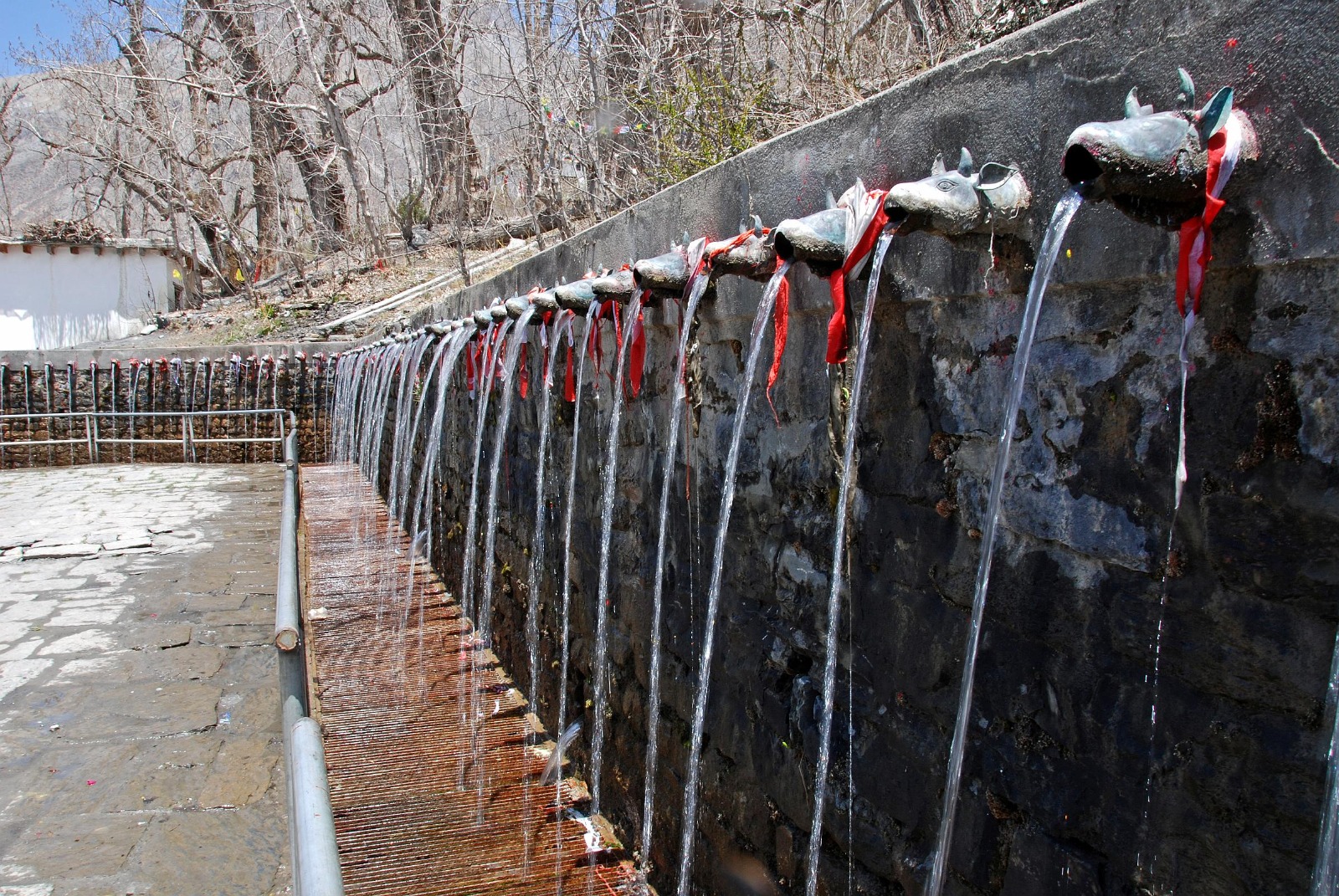
Muktinath is respected by both Hindus and Buddhists and attracts pilgrims from Nepal, India and other parts of the world. Nepal Tourism Board highlights the temple, 108 sacred waterspouts and nearby Jwala Mai as important features of the pilgrimage site.
The journey also includes the distinctive mountain settlements and landscapes of Lower Mustang before returning through Marpha and Pokhara.
This is one combined Muktinath Tour and Muktinath Darshan package, suitable for travellers interested in pilgrimage, Himalayan scenery and Mustang culture.
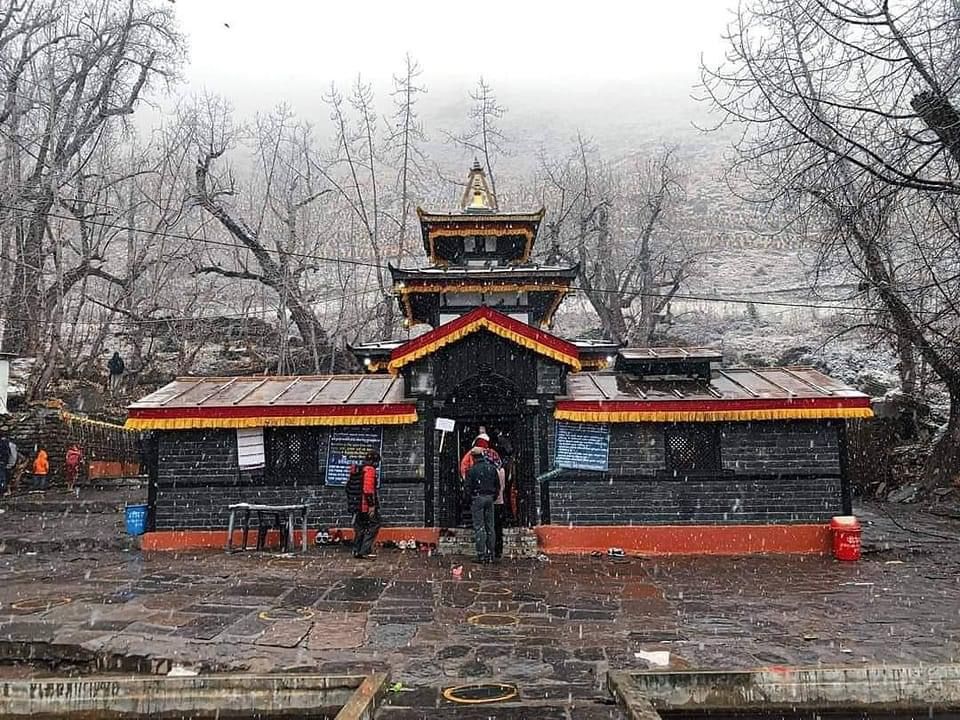
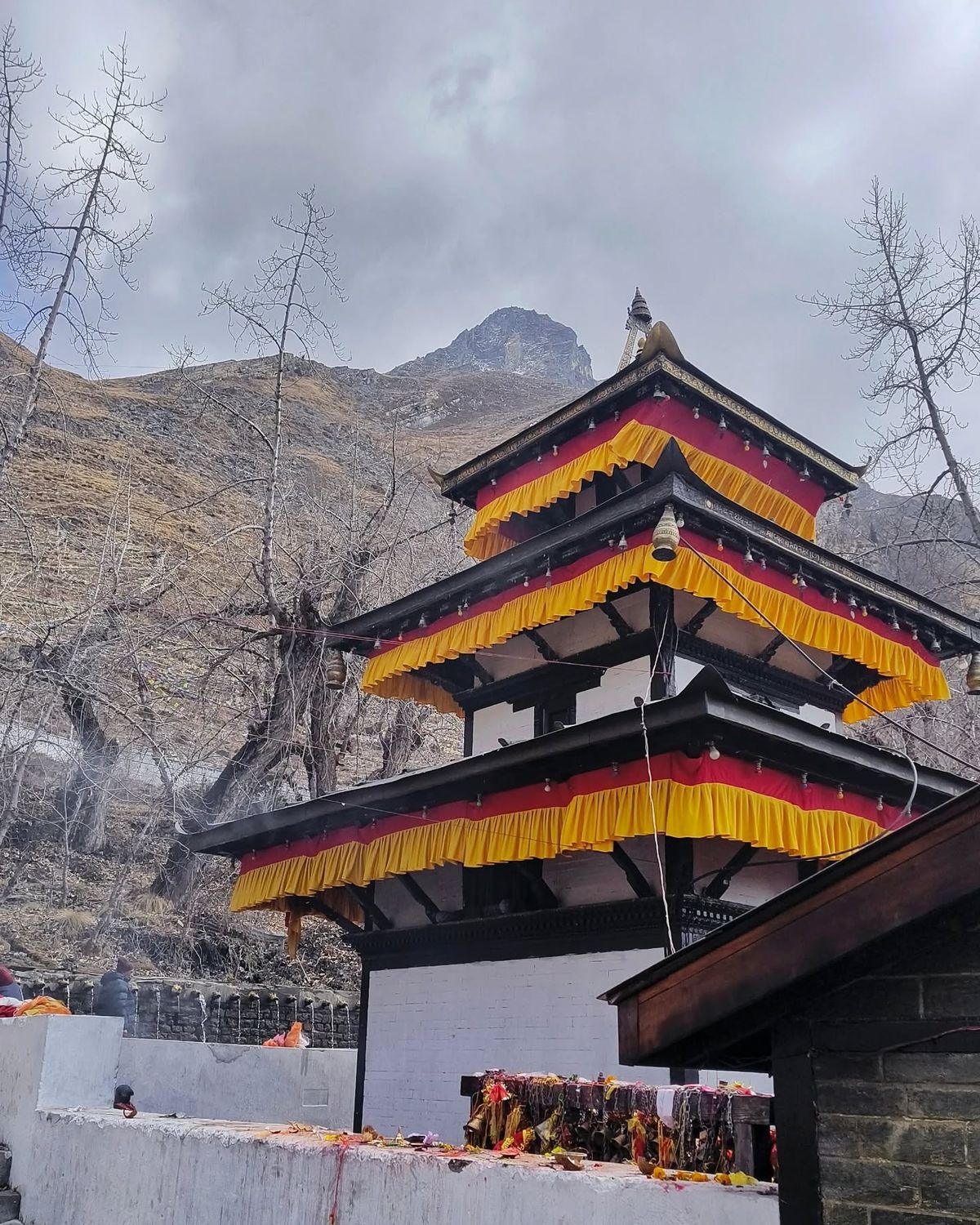
Muktinath is one of Nepal's most important Himalayan pilgrimage destinations.
The temple complex lies high in Mustang and is sacred to both Hindu and Buddhist traditions.
The main shrine is associated with Lord Vishnu in Hindu tradition.
Buddhist traditions also hold Muktinath in deep respect, making the site an important example of Nepal's shared Hindu and Buddhist heritage.
The Muktinath complex is known for its 108 sacred waterspouts.
Many pilgrims choose to pass beneath the cold water as part of their personal religious practice.
Participation is optional.
Travellers planning to bathe beneath the waterspouts should carry warm, dry clothing for immediately afterwards.
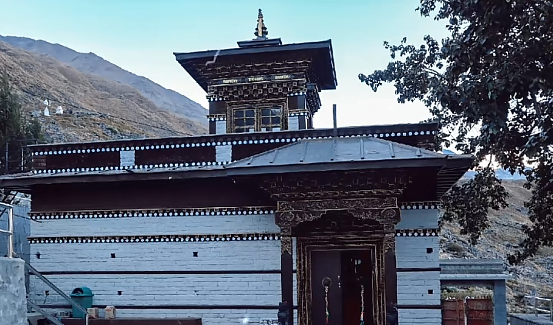
The nearby Jwala Mai shrine is another important part of the pilgrimage area and is known for its natural flame.
Visitors can spend time around the temple complex for darshan, prayer and personal spiritual reflection.
Respect local religious customs and follow any instructions given around temples, monasteries and sacred areas.
Experience darshan at one of Nepal's most important Hindu and Buddhist pilgrimage destinations.
Visit the main temple, the sacred waterspouts, Jwala Mai and surrounding religious sites.
Kagbeni is a historic settlement in the Kali Gandaki Valley near the entrance to Upper Mustang.
Its traditional architecture, Buddhist heritage and Mustang landscape make it one of the most memorable stops on the route.
Travel through Jomsom, one of the main settlements in Mustang.
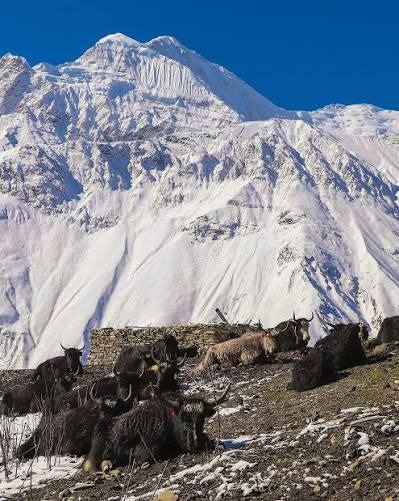
The broad Kali Gandaki Valley, dry mountain landscape and characteristic winds give the area a distinctive Himalayan atmosphere.
Spend the second night around Marpha.
The traditional Thakali settlement is known for whitewashed houses, narrow stone lanes and locally grown apples and apple products.
When time and route conditions allow, the itinerary can include the scenic Dhumba Lake area near Jomsom.
The lake and surrounding dry Mustang landscape offer an attractive sightseeing stop.
Stop around Rupse Waterfall along the Kali Gandaki road.
The waterfall provides a natural contrast to the increasingly dry landscapes farther north.
Travel through the dramatic Kali Gandaki corridor between the Annapurna and Dhaulagiri regions.
The landscape gradually changes from greener lower valleys to the drier terrain of Mustang.
Spend the final overnight in Pokhara before returning to Kathmandu.
Depending on arrival time and the departure schedule, enjoy Lakeside or selected Pokhara sightseeing.
For travellers whose main purpose is Muktinath darshan, prayer and the spiritual experience of the sacred temple complex.
A vehicle-supported journey that allows families and groups to experience Muktinath without completing a multi-day trek.
The route combines pilgrimage with Kagbeni, Jomsom, Marpha, waterfalls, Mustang landscapes and Pokhara.
A short Himalayan road journey combining sacred sites, Mustang scenery and a Pokhara stay.
A practical introduction to Lower Mustang for travellers who are not continuing farther north to Lo Manthang.
Depart Kathmandu early in the morning and begin the journey west toward Beni.
Travel through Nepal's hill landscapes, river valleys and highway settlements.
Depending on the day's timing and operating conditions, possible stops may include:
Continue toward Beni and check into the accommodation.
Rest after the long road journey.
Meals: Veg Lunch & Non-Veg Dinner
Overnight: Beni
Important: Day 1 is a long travel day. Arrival time depends on traffic and road conditions.
After breakfast, begin the mountain-road journey north toward Mustang.
Travel through the Kali Gandaki Valley toward Jomsom, Kagbeni and Muktinath.
Possible stops include:
Reach the Muktinath Temple area and spend time visiting the sacred complex.
The pilgrimage experience may include:
After the Muktinath visit, begin the journey back through Mustang.
Where route and time conditions permit, additional stops such as Dhumba Lake may be included.
Continue toward Marpha.
Meals: Breakfast, Veg Lunch & Non-Veg Dinner
Overnight: Marpha
Important: Day 2 is the main darshan and sightseeing day and includes significant mountain-road travel.
After breakfast, begin the return journey south through the Kali Gandaki Valley.
The landscape gradually changes as the road descends from Mustang.
Possible stops include:
Tatopani is known for its natural hot-spring area. Bathing or entry charges are separate where applicable.
Continue toward Pokhara.
Depending on arrival time, selected sightseeing may include:
Check into the accommodation and enjoy the evening in Pokhara.
Meals: Breakfast, Veg Lunch & Non-Veg Dinner
Overnight: Pokhara
After breakfast, enjoy the morning according to the available schedule.
Possible Pokhara sightseeing may include:
Optional activities such as boating are separate unless included in the confirmed booking.
Depart Pokhara and begin the return journey to Kathmandu.
Stop for lunch along the route.
Arrive in Kathmandu according to traffic and road conditions.
The Muktinath Tour concludes in Kathmandu.
Meals: Breakfast & Veg Lunch
Sacred Hindu and Buddhist pilgrimage destination
Important part of the Muktinath pilgrimage experience
Sacred shrine known for its natural flame
Historic Mustang settlement
Major Lower Mustang town
Scenic lake near Jomsom when itinerary allows
Traditional Thakali village and apple-growing area
Scenic waterfall along the Mustang road
Sacred Shiva temple near Beni
Natural hot-spring area
Final overnight and relaxed journey finish
This is primarily a road-based pilgrimage and sightseeing tour.
Travellers reach the Mustang region using EV Van or Jeep transportation rather than completing a multi-day trek.
However, some walking is still required around:
Travellers should also be comfortable with long mountain-road journeys and high altitude.
The tour does not require technical trekking or climbing.
The main challenges are:
Long road journeys
Rough mountain-road sections
Rapid altitude gain
Cold and windy conditions
Walking around Muktinath
Spending time at approximately 3,750m
Travellers should not assume the journey is effortless simply because it is vehicle-supported.
Muktinath sits at approximately 3,750 metres above sea level.
Because the journey reaches the temple by road, travellers can gain altitude relatively quickly.
Possible altitude-related symptoms can include:
Headache
Dizziness
Nausea
Unusual tiredness
Reduced appetite
Breathlessness during activity
Stay hydrated, eat properly and avoid unnecessary strenuous activity immediately after arriving at higher elevation.
If symptoms become stronger or unusual, inform the trip team rather than forcing yourself to continue walking.
March to May
March to May generally offers comfortable travel conditions and attractive mountain scenery.
September to November
September to November is one of the strongest periods for clear Himalayan visibility and comfortable touring.
Mustang is relatively dry, but rain and landslides can affect the lower approach roads.
Muktinath becomes very cold and snow can affect roads and sightseeing.
Spring generally provides improving temperatures and good conditions for pilgrimage and sightseeing.
Autumn usually offers clear weather and is one of the most popular periods for travel through Mustang.
Mustang lies in a rain-shadow region and receives less summer rainfall than many other areas of Nepal.
However, the road journey still passes through wetter lower valleys where heavy rain or landslides can affect access.
Winter journeys can be possible, but temperatures around Muktinath can become very cold and snow may affect road conditions.
A lower-priced option for travellers joining the standard 3N/4D Muktinath journey.
A Jeep option for travellers who prefer a mountain-road vehicle package.
Both packages follow the main Muktinath itinerary.
Final vehicle arrangements depend on the selected departure and current road conditions.
Muktinath lies within the Annapurna Conservation Area.
Official NTNC information lists Jomsom/Muktinath among Annapurna Conservation Area destinations and currently lists conservation-area entry fees at NPR 3,000 for foreign nationals and NPR 1,000 for SAARC nationals. Requirements vary according to nationality and traveller type.
Applicable conservation-area entry requirements, traveller documents and fees depend on nationality and current regulations. Lalitpur Holidays will confirm the current requirements before departure.
A Muktinath journey involves much more than travelling to a temple.
The route includes:
Long road journeys
Mountain-road conditions
Accommodation
Meals
Sightseeing stops
High altitude
Changing weather
Lalitpur Holidays coordinates the trip logistics from Kathmandu so travellers can focus on the darshan and Mustang experience.
If you plan to take part:
Bathing beneath the waterspouts is a personal religious choice.
The temple is located at approximately 3,750 metres. Altitude-related discomfort is possible even on a road tour.
The Beni → Muktinath → Marpha journey combines significant driving with darshan and sightseeing. Some secondary stops may be shortened according to road conditions and group pace.
Weather, landslides, construction and seasonal road conditions can affect travel time.
The Jomsom and Kali Gandaki areas can experience strong winds. Carry a windproof layer.
Temperatures around the temple can feel significantly colder than Kathmandu or Pokhara.
Local horse or doli assistance may be available near Muktinath. Availability and current cost are separate from the package.
Cash remains useful for optional services and personal expenses in mountain areas.
Network coverage may become weaker along parts of the Mustang route.
Himalayan views cannot be guaranteed.
Temple architecture, prayer flags and the surrounding high-altitude landscape create the signature visual experience.
An important part of the pilgrimage setting. Photograph pilgrims respectfully and avoid intrusive photography during religious rituals.
Traditional buildings and the dry Mustang landscape make Kagbeni especially photogenic.
Wide valleys, rocky terrain and mountain-road scenery provide strong travel photography opportunities.
Whitewashed houses and narrow village lanes create a distinctive Lower Mustang visual style.
A natural highlight of the road journey.
Lakeside scenery creates a relaxed contrast with the rugged Mustang landscape.
Yes.
Lalitpur Holidays operates this as one 3 Nights / 4 Days Muktinath Tour and Darshan package. The itinerary combines pilgrimage at Muktinath with sightseeing through Lower Mustang and Pokhara.
The current prices are:
EV Van – NPR 9,500 per person
Jeep – NPR 13,000 per person
The standard package is 3 Nights / 4 Days from Kathmandu.
The main route is: Kathmandu → Beni → Muktinath → Marpha → Pokhara → Kathmandu with sightseeing stops along the journey.
Muktinath is located at approximately 3,750 metres above sea level.
No.
This is primarily a road-based pilgrimage and sightseeing tour. Short walks are required around the temple and sightseeing areas.
Local assistance may be available near the temple approach. Availability and pricing should be checked locally and are separate from the package.
No.
It is a personal religious choice. Visitors who choose to participate should carry warm, dry clothing.
Jwala Mai is a sacred shrine near Muktinath known for its natural flame and is respected by both Hindu and Buddhist traditions.
Spring and autumn generally offer the best balance of road conditions, temperatures and Himalayan visibility. Winter travel depends more heavily on snow and road conditions.
No.
Muktinath is part of the Lower Mustang journey. The Upper Mustang Tour continues farther north beyond Kagbeni toward Lo Manthang and the restricted Upper Mustang region.
Yes.
Travellers wanting a longer Mustang experience can choose the separate Upper Mustang Tour Package, which continues north toward Lo Manthang.
Many older pilgrims travel to Muktinath by road. However, the high altitude, cold weather and walking around the temple area should still be considered. Travellers with relevant health concerns should seek appropriate medical advice before high-altitude travel.
Continue beyond Muktinath toward Lo Manthang and the restricted Upper Mustang region.
NPR 12,500 per person
A rugged Himalayan Jeep adventure through Chame, Pisang and Manang.
NPR 17,500 per person
Gurung village culture, Annapurna scenery and Pokhara.
NPR 6,500 per personTravel from Kathmandu through the Kali Gandaki Valley to sacred Muktinath Temple, experience darshan in Mustang and return through Marpha and Pokhara.
Send Lalitpur Holidays your preferred travel date, group size and transport choice to check the next available departure.
Muktinath Darshan • Kagbeni • Jomsom • Marpha • Pokhara • 3N/4D