


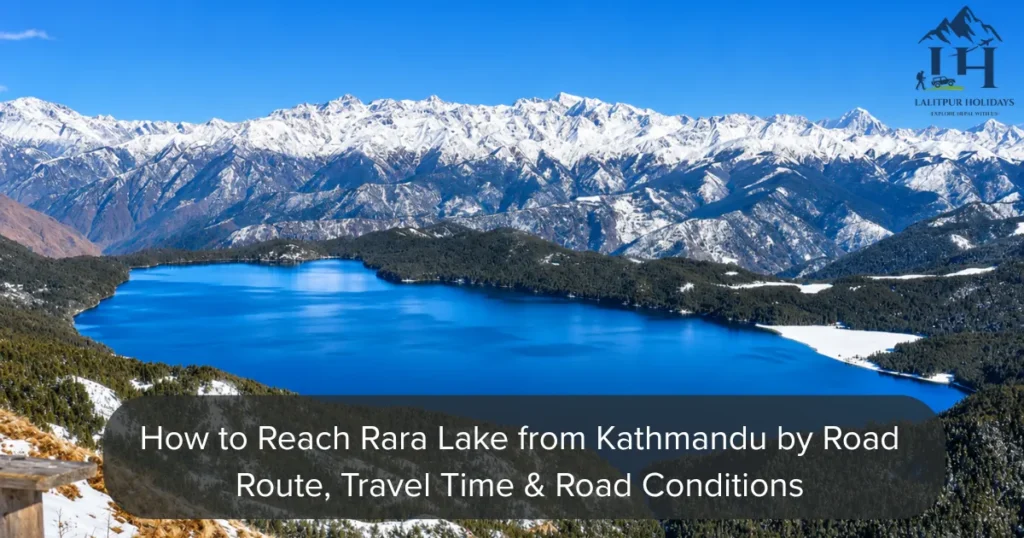
You may wonder how to reach Rara Lake from Kathmandu by road. It is not a one-day drive. It is a multi-day overland journey across western Nepal and into the Karnali region. A common route runs from Kathmandu toward the Kohalpur or Surkhet side, then on to Kalikot or Manma, then Nagma, then toward Mugu and Gamgadhi, and finally to the Rara approach.
Road conditions get more remote and more variable as you move into Karnali. Published distances and driving times differ a lot online. Always check the current road status close to your departure date.
Quick Facts: Kathmandu to Rara Lake by Road
| Travel Question | Quick Answer |
| Can you reach Rara Lake from Kathmandu by road? | Yes, as a multi-day overland journey |
| General route | Kathmandu → western Nepal → Kalikot/Manma → Nagma → Mugu/Gamgadhi → Rara approach |
| Is there one fixed road distance? | No. Figures vary by route and end point |
| Is it a one-day drive? | No. Plan it as a multi-day road journey |
| Where does the road get remote? | Once the route enters Karnali and the mountain sections |
| Important road corridors | Karnali Highway and the Nagma–Gamgadhi road |
| Best general seasons | Spring and autumn are usually more practical |
| Main monsoon concern | Landslides, mud, debris and temporary blockages |
| Main winter concern | Snow, ice and short-term access problems |
| Final vehicle access | Can vary. Some walking may still be needed |
| Lake location | Mugu District, Karnali Province, inside Rara National Park |
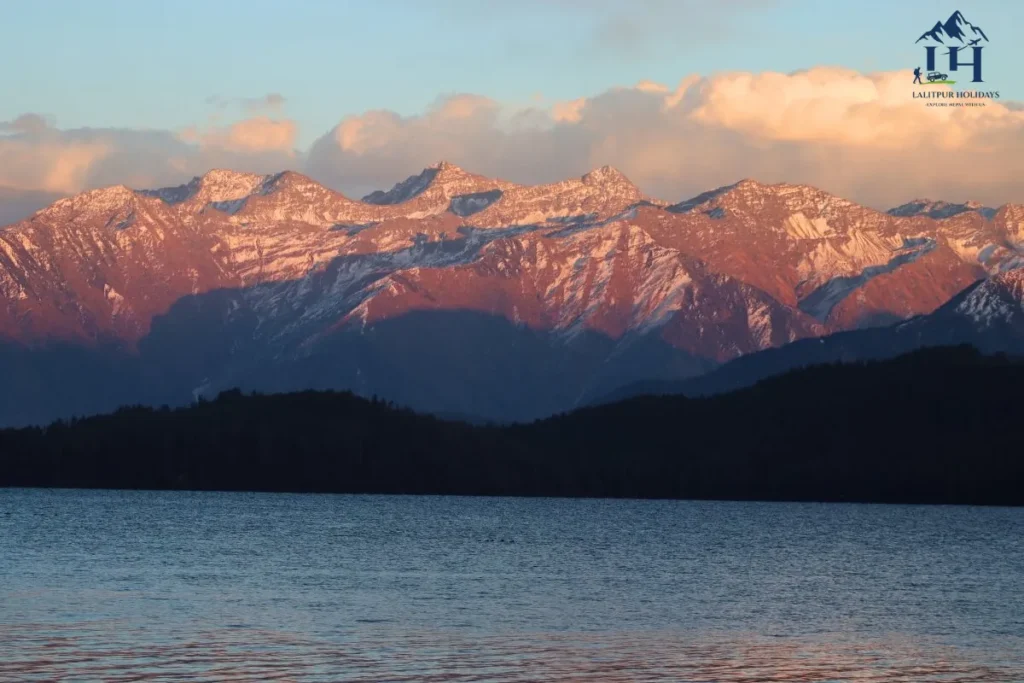
What Route Do You Take from Kathmandu to Rara Lake by Road?
The road journey moves west across Nepal, then north into the Karnali hills. Most overland travellers follow a similar pattern. The exact roads used can change with conditions and with the driver’s plan.
Kathmandu to Kohalpur or Surkhet: The Western Nepal Approach
This is the long highway part of the trip. The roads here are more developed than anything you meet later. Traffic, roadworks and river crossings can still slow you down. Kohalpur and Surkhet appear in most Rara road routes because they sit where the east–west highway meets the roads going north into Karnali. Nepalgunj also shows up in some routes for the same reason.
Surkhet or Kohalpur to Kalikot or Manma
Here the journey changes. You leave the plains and start climbing.This part of the journey uses the Karnali Highway corridor toward Kalikot and Nagma, before the route branches toward Mugu and Rara. Road quality becomes uneven. Services get thinner. Distances that look short on a map take much longer to drive. Manma is the district headquarters of Kalikot and a common stopping point.
Kalikot or Manma to Nagma
This is mountain-road travel. The road follows steep valleys and river gorges. Nagma matters because it is a junction. From there, one road continues toward Jumla and the Sinja Valley, and another turns toward Mugu and Rara. If you are going to Rara by road, Nagma is the point where your route splits off.
Nagma to Gamgadhi and the Rara Approach
This is the most remote part of the drive. The Nagma–Gamgadhi road carries traffic toward Mugu district and the Rara area. It is a long, largely unsealed corridor. Of its roughly 93 kilometres, only a small graveled stretch had been upgraded, and the delay has affected vehicle movement on the road. Gamgadhi is the district headquarters of Mugu. Talcha sits nearby and is another common name in Rara access routes.
Current road status matters most on this stretch. A vehicle may not always reach the exact lakeshore. Be ready for some walking on the final approach, depending on current access.
How Far Is Rara Lake from Kathmandu, and How Long Does the Road Journey Take?
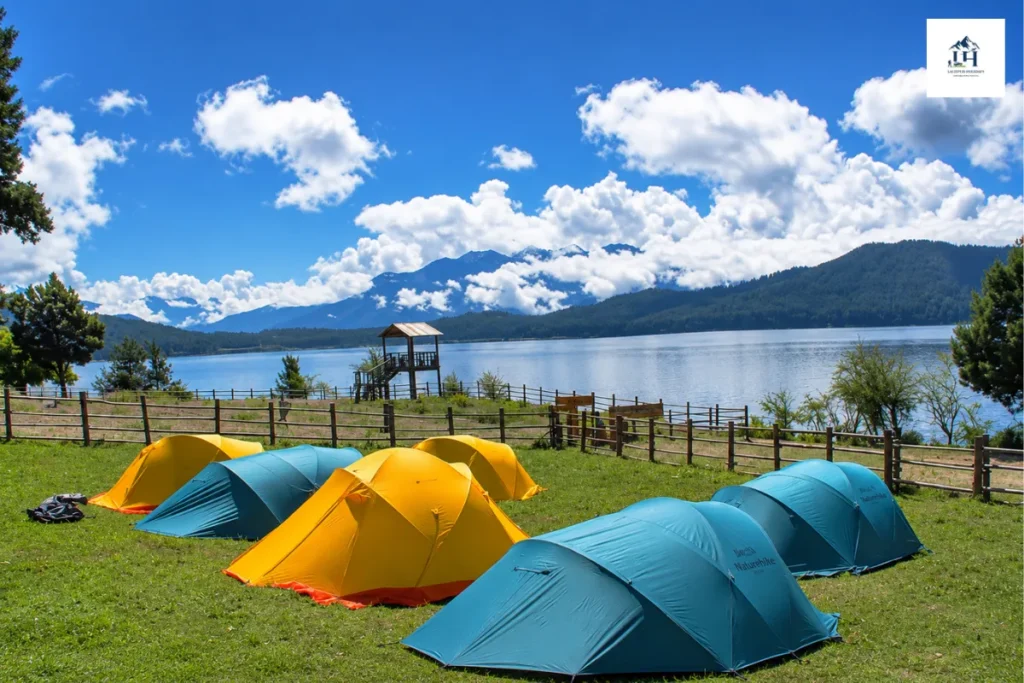
There is no single universally reliable Kathmandu-to-Rara road distance or driving time. Different sources measure different routes and different final access points. Treat this as a multi-day overland journey instead of a fixed number.
Why Do Kathmandu-to-Rara Distance Figures Differ Online?
Several things change the total:
• Different starting points in Kathmandu. A figure from Kalanki is not the same as one from Koteshwor.
• Different western routes. Some go via Kohalpur, some via Nepalgunj, some via Surkhet.
• Road diversions. Repairs and blockages push vehicles onto longer alternatives.
• Map routing. Online maps pick different road segments for the same trip.
• Older versus newer alignments. Karnali road sections have been rebuilt and rerouted over the years.
• Different end points. Some sources measure to Gamgadhi, some to Talcha, some to a parking point, and some to the lake itself.
Because of this, two honest sources can publish very different numbers. Neither is automatically wrong.
Why Does Travel Time Vary So Much?
Travel time depends on things no article can fix in advance. Road surface is the biggest one. Repairs, weather, landslides and single-lane traffic all add hours. Vehicle type and driver experience matter too. So do rest stops and overnight choices. Finally, the last access point can change, which changes the end of your day. Plan buffer time rather than a fixed schedule.
What Are the Road Conditions Like on the Way to Rara Lake?
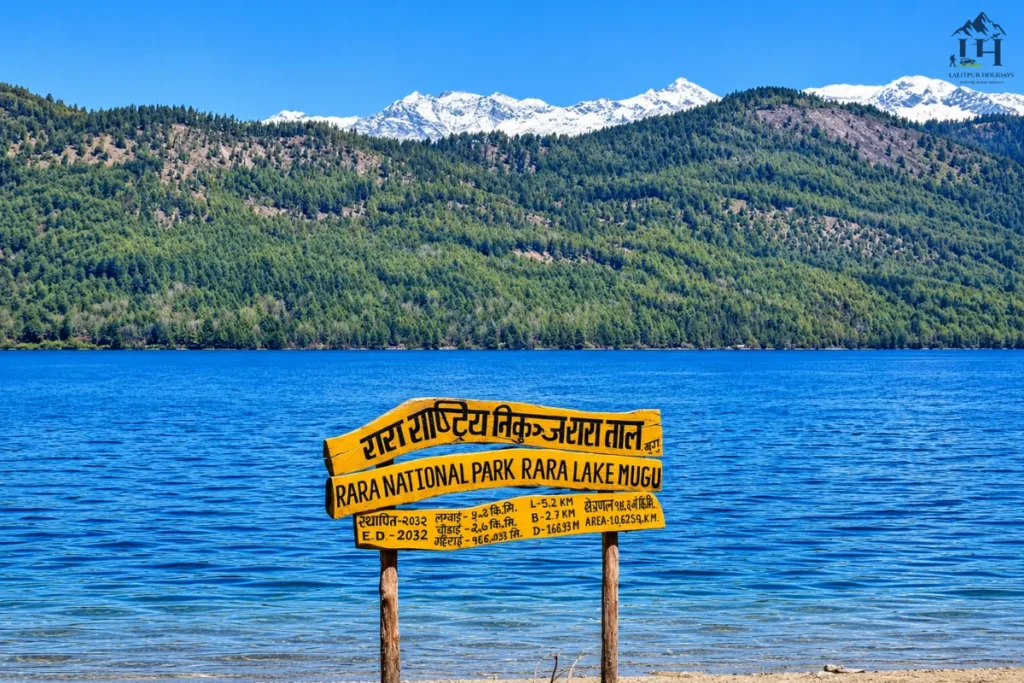
Road conditions change significantly across the Kathmandu-to-Rara journey. The western highway approach is generally more developed. The Karnali and Mugu sections are more remote and can be affected by weather, road damage and ongoing repairs.
Kathmandu to Western Nepal: The More Developed Road Section
This part is comparatively predictable. It is sealed highway for most of the way. Traffic, roadworks and busy town sections cause most of the delay here, not road damage.
Karnali Highway: Where Road Conditions Become More Variable
This corridor is the backbone of road travel into Karnali, and its condition is well documented. The highway was blacktopped in fiscal year 2019-20 using Otta Seal technology with Rs1 billion in World Bank funding, covering 126 kilometres from Surkhet to Khidkijhyula and another 107 kilometres onward to Jumla. Around 80 percent of that blacktopping has since peeled away.
Narrow sections are common. On single-lane stretches, one vehicle has to reverse when another approaches from the opposite direction, and widening is difficult because the road cuts through hard rock. Local officials describe roads that turn muddy in rain and dusty in dry weather, with single-lane sections causing long hold-ups and fragile terrain creating constant landslide risk.
Upgrade work continues, but slowly. Road officials say the most critical risks sit along the Dahikhola–Manma–Nagma–Jumla section, where several upgrade contracts remain incomplete. The practical effect is simple: expect slow average speeds and allow extra time.
Nagma–Gamgadhi Road: A Key Final-Access Corridor
This is the road that decides whether you reach the Rara area easily or not. It is remote and sensitive to weather. In July 2026, a landslide at Chhayanath Rara Municipality completely obstructed the Nagma–Gamgadhi road section. In August 2026, the same corridor was reported obstructed in the Talcha area, and police advised travellers to check current road conditions with the authorities before setting out during monsoon.
Upgrading has been slow here for years. Rs40 million was allocated in one recent year for upgrading the Nagma–Gamgadhi road. A short Talcha–Gamgadhi section is also being prepared for blacktopping, which would be the first black-topped road in Mugu district. Until that work is finished, treat this section as an unsealed mountain road.
Final Road Access Toward Rara Lake
The final vehicle stopping point can vary. Road damage, weather, park rules and local conditions all influence where a vehicle can go. Some walking may be needed on the last stretch. Do not assume a vehicle will park at the lakeshore.
| Road Section | General Road Character | Main Variables | Traveller Implication |
| Kathmandu → western Nepal | Main sealed highways | Traffic, roadwork | More predictable timing |
| Surkhet/Kohalpur → Kalikot | Increasingly remote hill road | Surface, repairs, weather | Longer road days |
| Kalikot/Manma → Nagma | Mountain-road travel | Rain, repairs, landslides | Keep the schedule flexible |
| Nagma → Gamgadhi/Mugu | Remote, largely unsealed | Landslides, snow, surface | Check current status first |
| Final Rara approach | Access can vary | Local road condition, rules | Some walking may be required |
What Is the Difference Between General Road Conditions and Current Road Status?
These are two different things, and mixing them up causes bad planning.
General road character describes what the route is normally like: remote mountain sections, changing surfaces, single-lane stretches, and sensitivity to landslides and snow. This stays fairly stable year to year.
Current road status is about today: an active landslide, ongoing repair work, a temporary closure, fresh snow, or a local restriction. This can change within hours.
Road information last reviewed: October 2026. Current conditions can change quickly after heavy rain, landslides, roadwork or snowfall. Check the latest Karnali Highway and Nagma–Gamgadhi road status close to departure. The Department of Roads publishes road closure and reopening updates online.
When Is the Best Time to Travel to Rara Lake by Road?
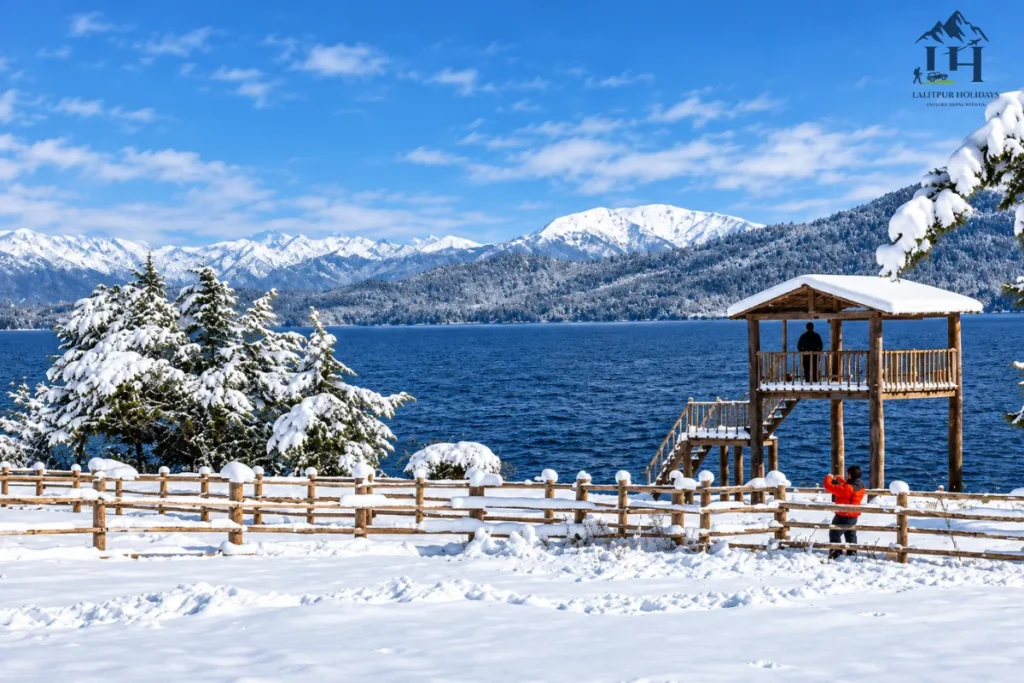
Spring and autumn are generally the more practical periods for reaching Rara Lake by road. Road and weather conditions are usually more manageable then than during peak monsoon or heavy winter snowfall.
Spring: Generally More Practical Road Travel
Weather is usually drier and more settled. Road conditions are often drier than during monsoon, although higher areas can remain cold early in the season. Roadwork may also cause short delays.
Monsoon: Higher Landslide and Blockage Risk
This season needs the most care. Heavy rain soaks the slopes. Wet ground becomes unstable. Landslides and debris then fall onto the road. Sections can be blocked until clearing crews arrive. Journeys become longer and far less predictable.
Karnali and Mugu roads are especially exposed. Nagma–Gamgadhi has been blocked by monsoon landslides in recent years. Temporary disruption becomes more likely during periods of heavy rain. That does not mean the road is closed all monsoon. It means your timing cannot be fixed.
Autumn: Often One of the More Practical Periods
Weather is usually more stable after the rains end. Skies are clearer and travel is more comfortable. Still, damage left by the monsoon may not be repaired yet. Early autumn can therefore be better for weather than for road surface.
Winter: Snow Can Affect Higher Road Sections
Snow and ice can affect higher road sections in winter. The Nagma–Gamgadhi side is more vulnerable because of its elevation and remoteness. Blockages are usually temporary, and roads can reopen after clearing. Daylight is also shorter, which limits daily driving hours. Rara is not automatically closed in winter, but access needs checking.
| Season | General Road Practicality | Main Road Concern |
| Spring | Generally practical | Cold at elevation, repair work |
| Monsoon | More variable | Landslides, mud, blockages |
| Autumn | Generally practical | Leftover road damage |
| Winter | More variable | Snow, ice, temporary closures |
Can You Reach Rara Lake by Bus or Jeep?
Both are possible, but they suit different travellers.
Kathmandu to Rara Lake by Bus
Public road transport toward the Rara area usually involves more than one stage. Travellers commonly change vehicles along the way, often in western Nepal and again in Karnali. There may not be one simple direct tourist bus from Kathmandu to the lake itself. Schedules and route availability can change with season and demand. Road conditions affect buses just as much as private vehicles, so delays are shared. Check current services locally before you commit to a bus plan.
Travelling to Rara by Jeep or Private Vehicle
A Jeep or similar vehicle gives more flexibility. You can adjust stops, overnight points and departure times as conditions change. That matters on a route where a blocked section can reshape your day. Vehicle capability counts on rough and unsealed sections. So does a driver with real mountain-road experience. Current road conditions should guide the vehicle choice, not the other way round.
What Should You Plan for on a Remote Rara Road Journey?
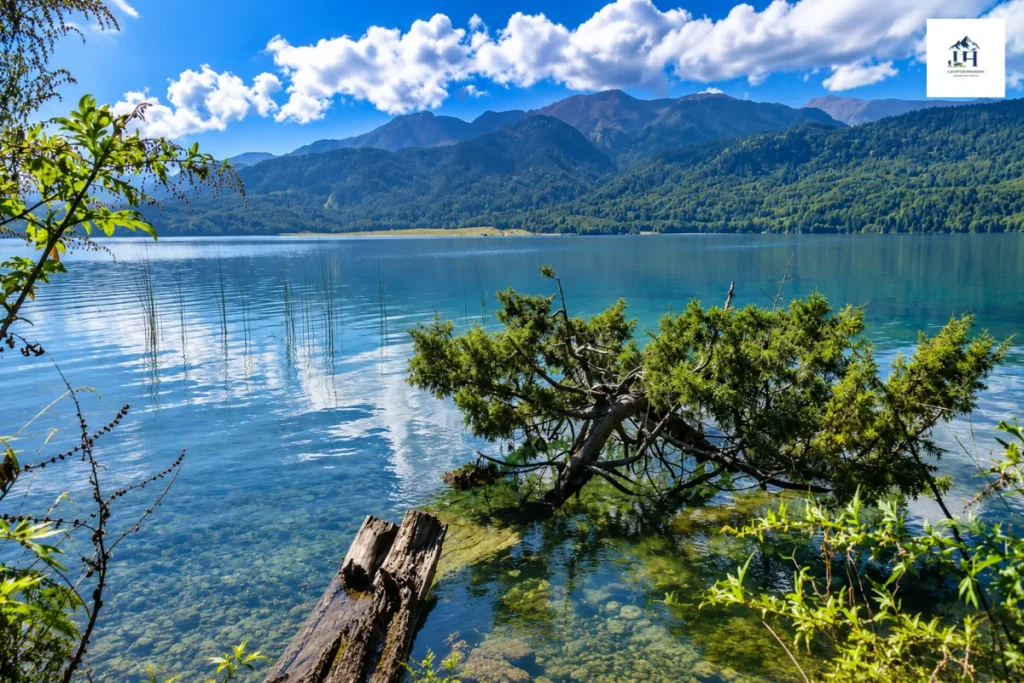
The route passes through areas with limited services. A little planning removes most of the stress.
Fuel and Vehicle Planning
Fuel availability can be more limited on remote sections. Fill up before long stretches with few settlements. Do not assume fuel will be available everywhere along the Karnali and Mugu roads. Vehicle condition matters too, including tyres and spare parts. Confirm fuel and service availability close to your departure date.
Cash, ATMs and Payments
Carry some cash for remote areas where ATM, card or digital-payment access may be limited or unavailable. Bring smaller notes where you can. Do not rely on one payment method for the whole trip.
Mobile Network and Internet
Mobile and data coverage may become less reliable on remote road sections. Download offline maps before you leave. Save important contact numbers on your phone and on paper. Keep any booking or permit information stored offline.
Food, Water and Rest Stops
Some road sections run long without services. Carry drinking water and light snacks. Do not assume frequent roadside restaurants, especially between Nagma and Gamgadhi. Eat properly when you do stop.
What to Carry for the Road Journey
• Warm layers, including one for evenings
• Rain protection during and around monsoon
• Water and snacks
• Personal medication
• Charged phone and a power bank
• Cash in small notes
• Sun protection
• Basic hygiene items
• Buffer time for delays
Planning a Rara Lake Road Journey?
If you would rather have the overland journey and transport arranged for you, explore Lalitpur Holidays’ Rara Lake travel option.
Explore the Rara Lake Tour Package →
Frequently Asked Questions About Reaching Rara Lake by Road
How do you reach Rara Lake from Kathmandu by road?
You travel west from Kathmandu toward the Kohalpur or Surkhet side, then north into Karnali via Kalikot or Manma and Nagma, then toward Mugu and Gamgadhi, and finally to the Rara approach. It is a multi-day journey.
How far is Rara Lake from Kathmandu by road?
There is no single reliable figure. Distances differ because sources use different routes, different Kathmandu starting points and different final access points. Some measure to Gamgadhi, some to Talcha, and some to the lake itself.
How long does it take to reach Rara Lake from Kathmandu?
Plan it as a multi-day road journey rather than a fixed number of hours. Road surface, weather, landslides, repairs, vehicle type and the final access point all change the total. Keep buffer time in your plan.
What is the road condition to Rara Lake?
The western highway approach is generally more developed. The Karnali Highway is narrow in places, with much of its old blacktop worn away. The Nagma–Gamgadhi road is remote and largely unsealed, so conditions vary.
Can you reach Rara Lake by bus?
Yes, but usually in stages. Public road transport toward Mugu typically involves transfers rather than one direct tourist bus to the lake. Services and schedules can change, so confirm them locally before travelling.
Can you go to Rara Lake during monsoon?
Travel is possible, but it becomes less predictable. Heavy rain raises the risk of landslides, mud and temporary blockages on Karnali and Mugu roads. Keep your schedule flexible and check road status before and during the trip.
Can you reach Rara Lake in winter?
Often yes, but access depends on conditions. Snow and ice can affect higher road sections, including the Nagma–Gamgadhi side. Snow-related blockages may reopen after clearing, but the duration can vary with weather and road conditions. Check current status close to departure.
What is the best time to visit Rara Lake by road?
Spring and autumn are generally the more practical periods. Weather is usually more settled and roads are easier to travel than in peak monsoon or heavy winter snow. Autumn can still have leftover monsoon damage.
What is the altitude of Rara Lake?
Rara Lake sits at about 2,990 metres (9,810 feet) above sea level in Mugu District, Karnali Province. It lies inside Rara National Park and is the largest lake in Nepal.
Is the Kathmandu-to-Rara Road Journey Right for You?
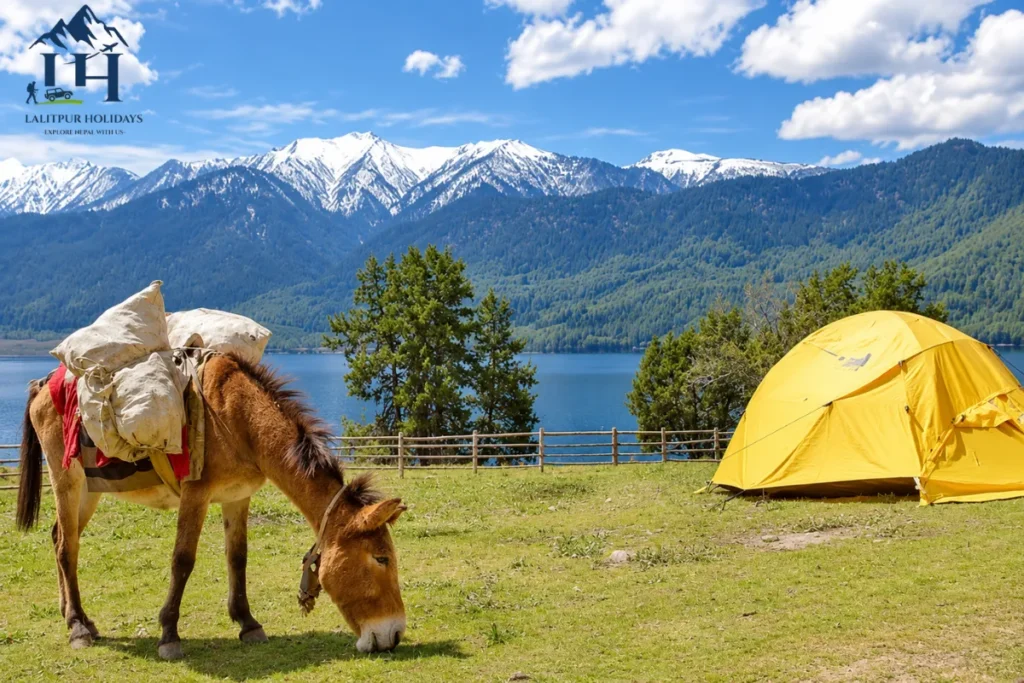
This journey suits travellers who understand what they are choosing. It works well if you accept that it takes several days. It works well if you can keep your timing flexible. It works well if you are comfortable on remote mountain roads and prepared for limited services along the way. It also asks you to check current road conditions rather than trust a fixed plan.
Reaching Rara Lake from Kathmandu by road takes more planning than a normal highway trip. The route becomes increasingly remote through Karnali, and weather can change travel conditions quickly. With realistic timing, current road information and proper preparation, the overland journey can be a practical way to reach Rara while seeing far more of western Nepal along the way.
Planning Your Rara Lake Journey?
Once you understand the route and road conditions, the next step is deciding how you want the overland journey arranged.
Explore the Rara Lake Tour Package →
Sources & Travel Information
The route and road information in this guide was checked against government sources and recent reporting on the Karnali Highway, Nagma–Gamgadhi road and Rara Lake access.
- Department of Roads – Road Closure & Reopening Updates
- Department of National Parks and Wildlife Conservation – Rara National Park
- The Kathmandu Post – Karnali Highway Road Condition
- The Kathmandu Post – Karnali Highway Upgrade Updates
- The Kathmandu Post – Nagma–Gamgadhi and Mugu Road Development
Travel information last reviewed: October 2026. Road access in Karnali and Mugu can change after rainfall, landslides, snowfall or repair work, so check the latest road status before departure.
