 Babarmahal-11, Kathmandu (Near King's College)
 9869730777 | 9709139250 | 9709139260
 lalitpurholidays@gmail.com
 WhatsApp


Travel information last reviewed: September 2026
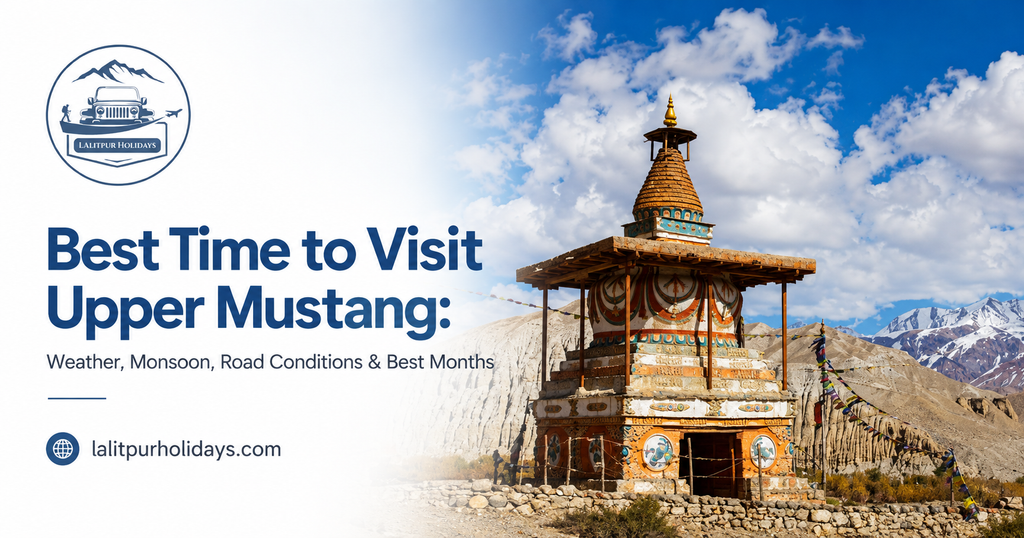
April–May and September–October are generally the strongest periods to visit Upper Mustang. The weather is settled, visibility is good, and roads are usually easier to travel. Upper Mustang can also be visited during Nepal’s monsoon because it sits in a Himalayan rain shadow and stays comparatively dry.
But the lower roads used to reach the region can still face rain and landslides. Winter is colder and more restrictive, though not closed. The best season to visit Upper Mustang depends on what matters most to you, including weather, road travel, photography, culture, or quieter travel.
Best Time to Visit Upper Mustang at a Glance
| Season | General Weather | Road Practicality | Best For | Main Limitation |
| Spring (Mar–May) | Mild days, cool nights, some wind | Generally practical | Culture, photography, road travel | Afternoon wind and dust |
| Summer/Monsoon (Jun–Aug) | Upper Mustang stays relatively dry | Can vary on lower roads | Quiet rain-shadow travel | Lower-road rain and landslides |
| Autumn (Sep–Nov) | Stable, clear skies | Generally practical | Photography, sightseeing, road tours | More visitors and greater accommodation demand |
| Winter (Dec–Feb) | Cold, possible snow | More limited | Quiet, off-season travel | Cold, short daylight, fewer services |
What Are the Best Months to Visit Upper Mustang?
For most first-time travellers deciding when to visit Upper Mustang, April–May and September–October offer the easiest overall balance.
April, May, September, and October are usually the easiest months for a first trip to Upper Mustang. These months tend to balance three things travellers care about most: comfortable weather, clear mountain views, and manageable road conditions.
Spring warms up gradually. By April, days are pleasant and skies are often clear in the morning. By September, the monsoon is fading and autumn’s calmer air is settling in, which continues through October and into November.
That said, “best” is not the same for every traveller. A photographer chasing clear light may lean toward late autumn. A road traveller may choose spring or autumn for generally more practical conditions, while shoulder periods may suit those looking for a quieter trip.
Weather is only one part of the decision. The next sections break down what that weather actually feels like, and how it changes by season.
What Is Upper Mustang Weather Like?
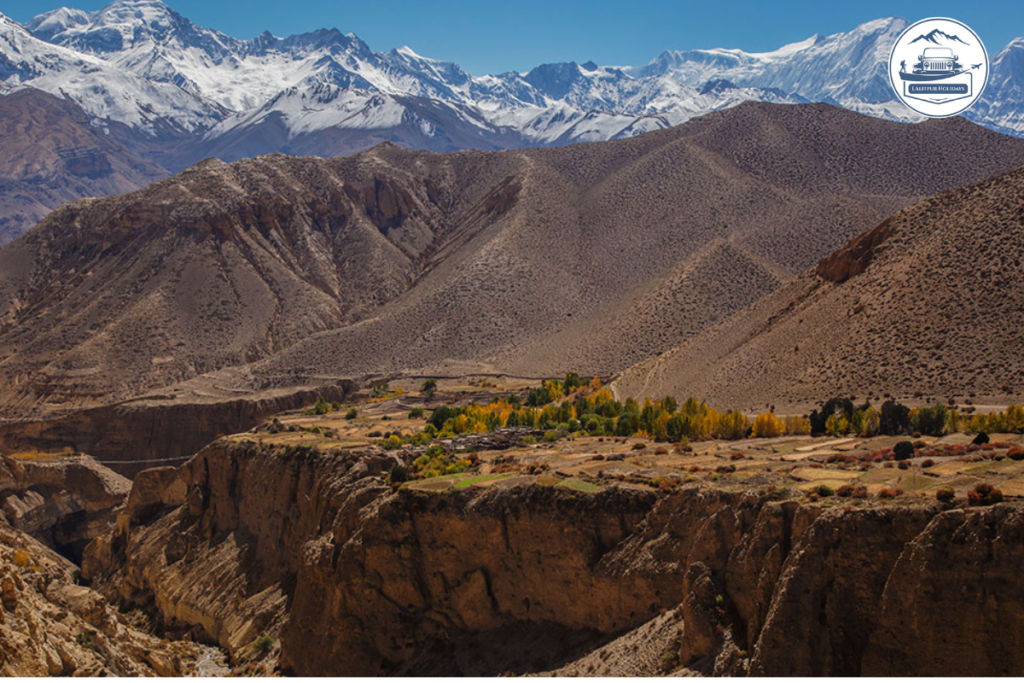
Upper Mustang has a dry, high-altitude climate. The Annapurna and Dhaulagiri ranges block much of the monsoon moisture coming from the south. This gives the region a distinct climate pattern that road travellers and trekkers both need to plan around.
Temperature and Day–Night Changes
Days and nights can feel very different here. In spring, daytime temperatures often sit in a comfortable range, while nights turn cold once the sun drops. Summer days can feel warm, but nights still cool sharply. Winter brings the widest swing, with cold days and freezing nights common.
Altitude plays a large role — Lo Manthang sits above 3,800 metres, so temperatures are noticeably cooler than in the lower Kali Gandaki valley.
Wind and Dust
Upper Mustang is an exposed, open landscape, and wind is part of daily life here, especially in the afternoon. Roads and trails can get dusty, particularly in spring and pre-monsoon months. This matters for two practical reasons.
For road travellers, wind can become stronger later in the day, so checking local conditions can help when planning road travel and photography. For photographers, wind can stir up haze later in the day, which is why early morning light is often the sharpest.
Visibility and Clear-Sky Conditions
Visibility changes with the season. Autumn generally offers the clearest skies of the year, which is why it is popular for photography and long mountain views. Spring can also offer clear mornings, though afternoon haze or dust is more common.
Monsoon months can bring occasional cloud, even though rainfall itself stays low. Understanding this rhythm — clearer mornings, windier afternoons — helps travellers plan sightseeing and road travel at the right time of day, not just the right month.
Upper Mustang by Season: What Should You Expect?
Here’s what you should expect in upper mustang by season:
Spring in Upper Mustang: March to May
Spring builds gradually. March can still feel cool, with occasional lingering winter chill, especially at higher points. April is usually more settled, with pleasant daytime temperatures and generally clear mornings. May tends to be the warmest of the three months, with long daylight hours that suit both road travel and sightseeing.
Visibility is often good in the mornings, though afternoon wind and dust pick up as the season progresses. Roads are generally practical through spring, making it a solid window for Jeep-based travel and cultural visits to Lo Manthang, Charang, and Chosar.
Is May a Good Month to Visit Upper Mustang?
Yes. May is one of the more comfortable months for Upper Mustang, particularly for road travellers and cultural visitors. Daytime weather is generally mild, roads are usually in workable condition before the monsoon arrives, and visibility is often good.
May also carries cultural weight, because it is the month most closely linked to Lo Manthang’s Tiji Festival, which follows the Tibetan lunar calendar. Exact festival dates shift every year, so they should always be confirmed for the specific year of travel rather than assumed from a previous year’s dates.
Summer/Monsoon in Upper Mustang: June to August
Yes, Upper Mustang can be visited during Nepal’s monsoon, because the region lies in a Himalayan rain shadow. This is one of the few parts of Nepal where a summer trip is genuinely practical, not just tolerable.
Why Is Upper Mustang in a Rain-Shadow Region?
The Annapurna and Dhaulagiri ranges sit between Upper Mustang and the moist winds coming from the south. These mountains force incoming monsoon clouds to release most of their rain before reaching Upper Mustang.
As a result, Upper Mustang receives much less monsoon rain than many parts of Nepal. Nepal Tourism Board identifies Mustang as a rain-shadow region that stays comparatively dry during the monsoon. This is why Upper Mustang can remain comparatively dry during Nepal’s monsoon.
Does a Dry Upper Mustang Mean the Whole Road Is Dry?
No. This is the most important distinction for anyone planning a summer trip, especially by road.
Upper Mustang and Lo Manthang themselves generally stay dry through the monsoon. But the road used to reach them does not enjoy the same protection. The lower approach corridor — particularly the Beni–Jomsom–Korala stretch through Myagdi district — passes through wetter, steeper terrain that sits outside the rain shadow. This section is known to experience landslides, debris, and temporary blockages during heavy monsoon rain, based on recurring road-condition reports from this route.
In practical terms, this means:
- Areas north of Jomsom may have relatively dry conditions while the lower approach road is affected by rain.
- The same day’s journey along the lower approach road can face mud, rockfall, or a temporary hold-up.
- Some disruptions are cleared quickly, while others take longer. Keep extra time in your schedule during monsoon travel.
This is why flexible scheduling matters more during June, July and August.
Autumn in Upper Mustang: September to November
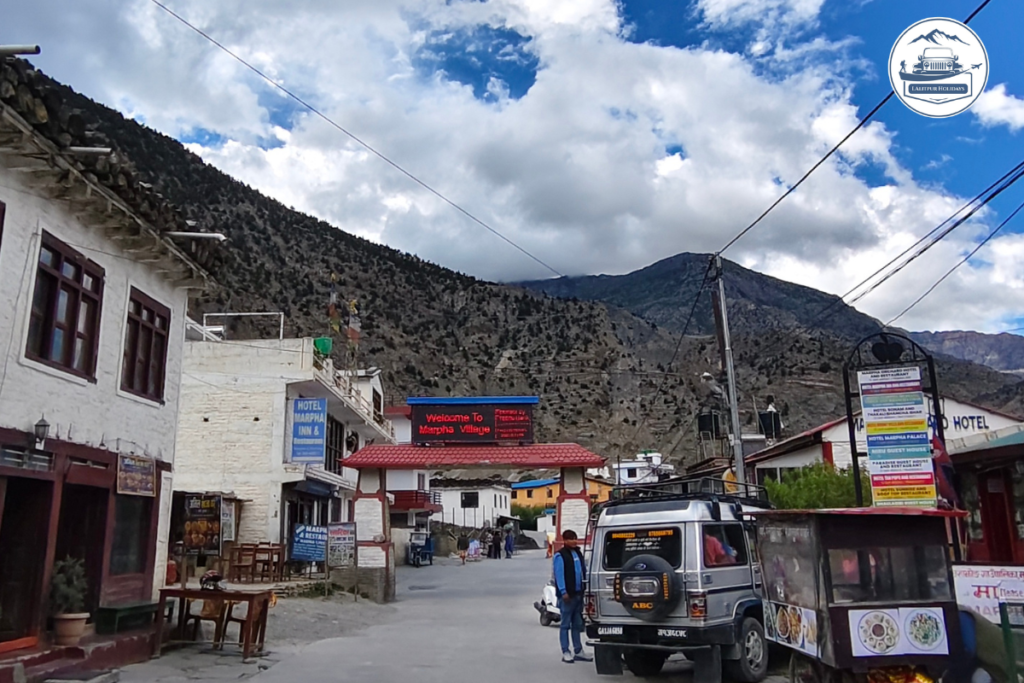
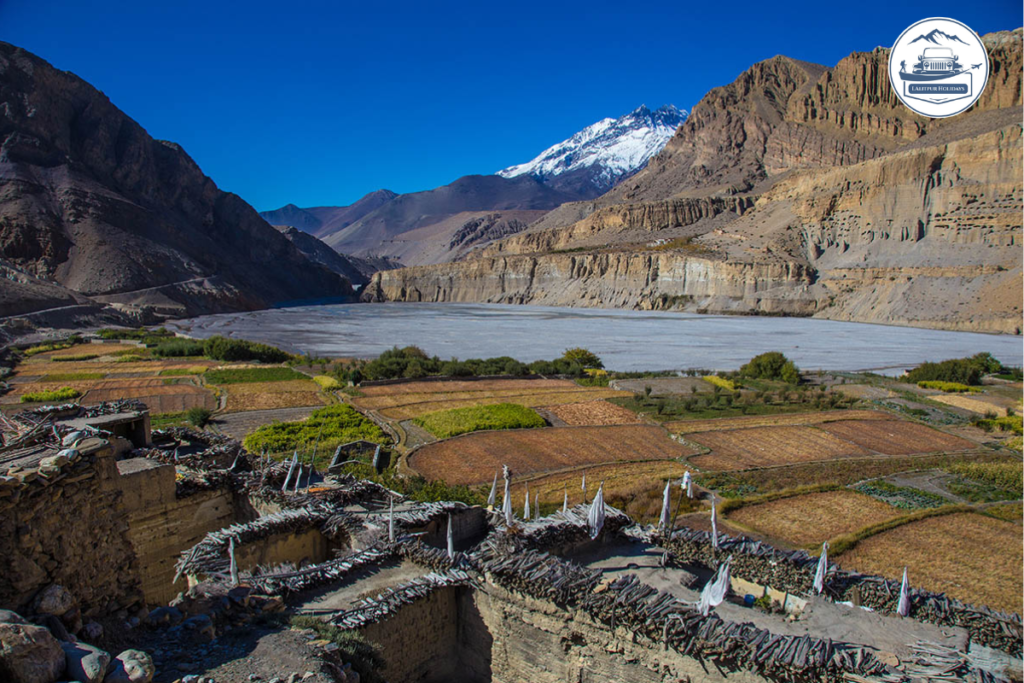
Autumn is widely considered the most stable season here. By mid-September, the monsoon is retreating, and skies tend to clear through October and into November. This is generally the best window of the year for photography and long-distance views, since dust and haze are usually lower than in spring.
Temperatures are comfortable during the day and cool at night. Roads are generally practical through this period, making it a strong period for road-based travel and cultural sightseeing in Lo Manthang.
Is October One of the Best Months for Upper Mustang?
Yes. October often brings clear skies and generally practical road conditions. Visibility tends to be excellent, which benefits both photography and general sightseeing. Road travel is usually straightforward, and cultural stops around Lo Manthang are easy to plan without weather disruption.
The trade-off is demand. October is a popular month, so accommodation can be in higher demand.
Winter in Upper Mustang: December to February
Can I still go? Yes, but it takes more planning. Winter is the coldest and quietest season in Upper Mustang. Daytime temperatures drop noticeably, and nights can fall well below freezing, particularly in Lo Manthang and other high points. Occasional snowfall is possible, and some sections of the route can be affected by cold-weather road conditions.
Daylight hours are shorter, and some local services see reduced availability as the coldest months set in. This does not mean the region is closed. Winter travel may still be possible, but it requires more flexibility, warmer gear, and a willingness to adjust plans if conditions change. Winter is much quieter. Some travellers choose it for fewer visitors, despite the cold.
How Do Upper Mustang Road Conditions Change by Season?
| Season | Road Practicality | Main Concern |
| Spring | Generally practical | Wind, dust, occasional roadwork |
| Monsoon | More variable | Lower-route rain and landslides |
| Autumn | Generally practical | Higher demand and traffic where relevant |
| Winter | More limited | Snow, ice, and cold |
The key point worth repeating here: Upper Mustang’s own weather and the condition of the road used to reach it are two different things. A dry forecast for Lo Manthang does not guarantee a smooth run on the lower approach road, particularly during the monsoon months.
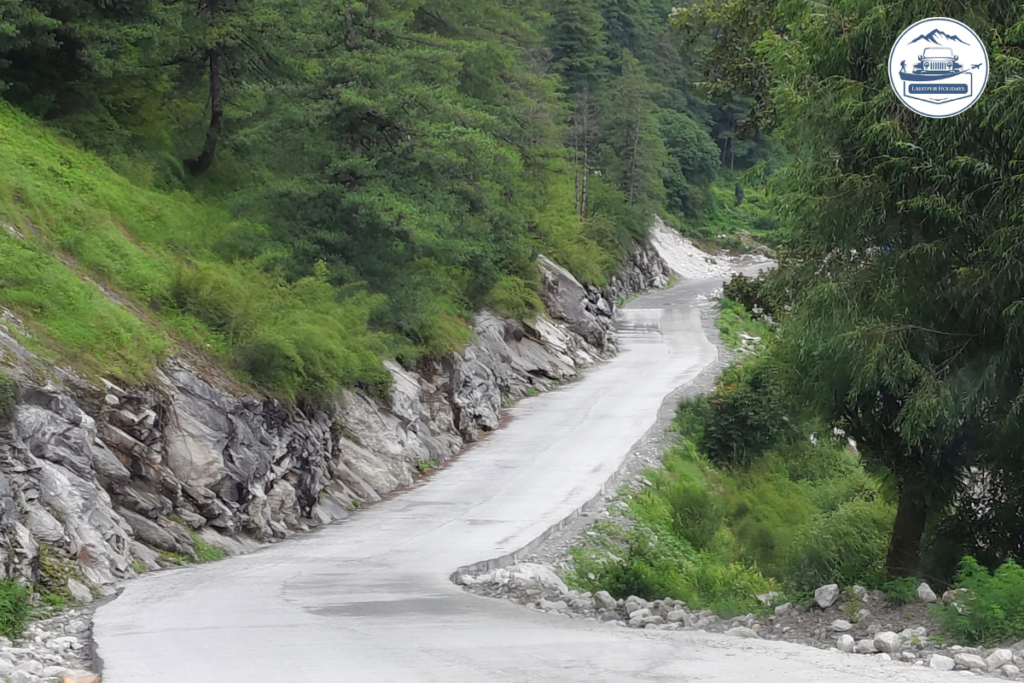
What Is the Best Time for an Upper Mustang Road or Jeep Trip?
Spring and autumn generally offer the most reliable combination of road access, passenger comfort, and visibility. Mornings tend to have calmer wind and clearer views, which is why many road journeys through this region are timed to start early.
Summer trips remain possible, but travellers should build some flexibility into the schedule in case the lower approach road needs a short clearance. Winter road travel may still be possible, depending on weather, snow, road conditions and available services. Whatever the season, checking current road conditions close to departure is a sensible habit rather than an extra step.
Planning Upper Mustang by Road?
If you’d prefer to have the route and transport arranged for you, explore Lalitpur Holidays’ Upper Mustang travel options.
Explore the Upper Mustang Tour Package
When Is the Best Time to Visit Lo Manthang?
Lo Manthang, the walled former capital of the Mustang kingdom, follows the same broad seasonal pattern as the rest of Upper Mustang, with a few points worth knowing specifically.
Spring and autumn are generally the most comfortable times to visit, offering milder days and manageable road access. Because Lo Manthang sits above 3,800 metres, nights stay cold even in the warmer months, so evening layers matter regardless of season.
Summer is workable thanks to the same rain-shadow effect that protects the wider region, though the approach road can still see delays. Winter is quiet and cold, with the walled city seeing far fewer visitors, but access is generally still possible with the right preparation.
Tiji Festival and Cultural Travel in Lo Manthang
Tiji is Lo Manthang’s best-known cultural event, and it is often the single biggest reason travellers choose a specific set of May dates over any other week in spring. The festival is a three-day series of masked dances held in the Choede Monastery courtyard, and it is fixed each year by monastery lamas according to the Tibetan lunar calendar rather than the standard calendar.
Tiji Festival dates change each year because the festival follows the Tibetan calendar. Check the confirmed dates for your travel year before planning around it.
Best Time to Visit Upper Mustang by Travel Style
| Travel Goal | Recommended Period | Why |
| Best overall weather | April–May or September–October | Balanced temperatures, generally clear skies, practical roads |
| Photography | September–November | Autumn typically offers the clearest, least hazy skies of the year |
| Cultural travel | Mid-May (Tiji period, dates vary) | Tiji Festival and related Lo Manthang activity |
| Jeep/road travel | April–May and September–October | Roads are generally most reliable in these windows |
| Monsoon/summer travel | June–August | Rain-shadow climate keeps Upper Mustang itself dry |
| Fewer visitors | June–August or December–February | Lower demand outside the main spring and autumn windows |
| Winter experience | December–February | Quiet, near-empty landscapes for prepared travellers |
Sources & Travel Information Checked
- Nepal Tourism Board — Climate in Nepal and Lo Manthang, Upper Mustang
- Current Beni–Jomsom–Korala road condition reporting (Kaligandaki Corridor, Myagdi district), 2025–2026
- Multiple current Tiji Festival date sources for 2026, cross-checked for consistency
- Lalitpur Holidays — Upper Mustang Tour Package for company-specific travel details
Frequently Asked Questions About the Best Time to Visit Upper Mustang
Which month is best to visit Upper Mustang?
April, May, September, and October are generally the best months. They offer comfortable weather, good visibility, and the most reliable road conditions of the year.
Is May a good time to visit Upper Mustang?
Yes. May offers mild daytime weather, generally workable roads, and good visibility. It is also linked to Lo Manthang’s Tiji Festival, adding cultural value for travellers visiting that month.
Is October a good month for Upper Mustang?
Yes. October usually brings clear skies, stable weather, and practical road conditions, making it one of the strongest months for photography and sightseeing. Expect greater accommodation demand during popular autumn weeks.
Can I visit Upper Mustang during the monsoon?
Yes. Upper Mustang lies in a Himalayan rain shadow, so it stays comparatively dry even in June, July, and August. Lower approach roads can still be affected by rain, so build in some flexibility.
Does it rain in Upper Mustang?
Very little, compared to most of Nepal. The Annapurna and Dhaulagiri ranges block much of the monsoon moisture before it reaches the region, according to Nepal Tourism Board climate information.
What is Upper Mustang like in winter?
Cold, quiet, and occasionally snowy, especially at night. Roads can be more limited and some services reduce availability, but the region is not closed. Flexible planning is recommended.
When is the best time to visit Lo Manthang?
Spring and autumn generally offer the most comfortable weather and easiest road access. Summer is workable thanks to the rain shadow, while winter is quiet but colder and requires more preparation.
When is the Tiji Festival in Upper Mustang?
Tiji is held in Lo Manthang and generally falls in May, based on the Tibetan lunar calendar. Exact dates shift each year and should be confirmed before planning travel.
Which Season Should You Choose for Upper Mustang?
There is no single best month for every Upper Mustang trip. The right season depends on your priorities, such as weather, road conditions, photography, culture, or quieter travel.
- Choose spring if you want mild weather, generally practical road conditions, and the chance to plan around confirmed Tiji Festival dates.
- Choose summer/monsoon if you want comparatively dry conditions in Upper Mustang and can allow extra time for possible delays on the wetter lower approach roads.
- Choose autumn if clear skies, strong visibility, and generally practical road travel are your main priorities.
- Choose winter if you prefer a quieter trip and can prepare for colder weather, shorter days, and more variable road conditions.
For most first-time visitors, spring and autumn offer the easiest overall balance. Summer can also be a good option because of Upper Mustang’s rain-shadow climate, while winter requires more flexibility and preparation.
Planning Your Upper Mustang Journey?
Once you know which season suits you, the next step is planning the route, transport, and travel dates.
Explore the Upper Mustang Tour Package · Ask About Your Travel Dates
