


How do you choose a Nepal tour package? Start with the number of days you have, not the place name. Then check how much you will walk, how high you will go, how you will travel and what the price includes. Destination and price alone will not tell you how a trip feels.
Two five-day tours can be very different. One may stay in Kathmandu and Pokhara. Another may spend two full days on rough mountain roads at high altitude. The days match, but the effort does not.
Nepal trips come in many forms: short scenic drives, pilgrimage journeys, city culture tours, remote mountain road trips, light hikes and full treks. This guide is for visitors from abroad and travellers from within Nepal that tells how to choose nepal tour package. It helps you match a trip to your time, comfort and reason for travelling.
Quick Summary
- Start with your days. Time decides how far you can go without rushing.
- Pick the experience. Culture, pilgrimage, scenery, a road trip or trekking each need a different plan.
- Check effort and altitude. A trip without trekking can still involve long road days or high elevation.
- Look at transport and route. Long Jeep days, flights and many transfers change the trip.
- Compare inclusions before price. Meals, permits and fees can change the real value.
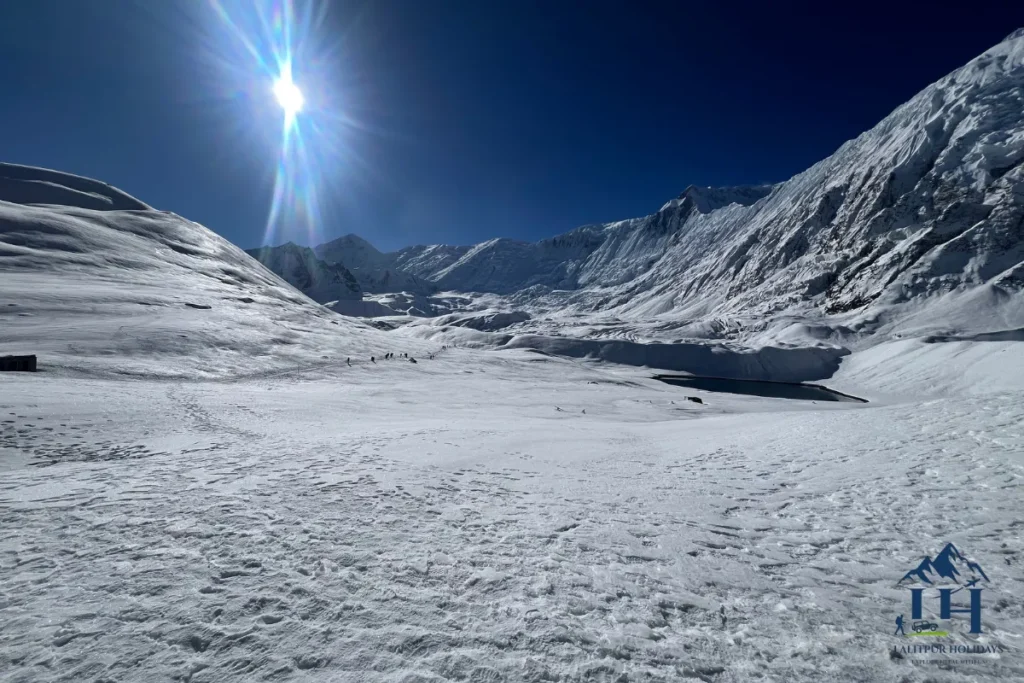
What Should You Decide Before Choosing a Nepal Tour Package?
Before comparing packages, narrow the choice using a few practical questions. They help you rule out trips that may look attractive but do not fit your time, comfort or travel style.
First, count your days. Next, decide what you want to feel and see. After that, be honest about walking, altitude and long road days. Finally, check the season and the fine print.
| Question | Why It Matters |
| How many days do you have? | Sets how far you can travel without rushing |
| What type of experience do you want? | Culture, pilgrimage, scenery, road trip or trekking |
| How much physical effort are you comfortable with? | Separates easy road tours from walking-heavy trips |
| What altitude are you comfortable travelling to? | Affects comfort, sleep, pace and acclimatisation |
| What transport style suits you? | Jeep, bus, van, flight or walking creates different trips |
| What season are you travelling in? | Can affect roads, flights, trekking and mountain views |
| What does the package actually include? | Decides the real value of the package |
How Many Days Do You Have for Nepal?
There is no single ideal number of days. The right length depends on the type of trip. Three or four days can work for a short road or cultural trip. Remote mountain travel or trekking usually needs more time.
2 to 4 Days: Short Trips and Easy Escapes
A short Nepal tour works best when travel time does not eat the itinerary. A 3-day Nepal tour to a nearby hill viewpoint leaves real time to enjoy the place. A remote mountain route might use most of those days in a vehicle.
This range suits weekend travellers, people with limited leave and short pilgrimage trips. Therefore, look at road hours first and distance second.
If you only have three or four days, avoid choosing a destination simply because the itinerary technically fits. A route that uses most of the first and last day on the road may leave very little actual time at the destination.
5 to 7 Days: More Complete Trips
A 5-day or 7-day Nepal tour opens more choices. You can try a remote road journey, link two or three places or take a short trek.
However, a five-day trip with two full days on rough roads feels very different from five days split between Kathmandu and Pokhara. Look at how much usable time remains after road travel, transfers and overnight stops.
8 to 12 Days: Deeper Travel
A 10-day Nepal tour gives room for longer circuits and trekking. You can also cover more than one region at a slower pace. Extra days help most when they add rest or acclimatisation, not just more stops.
Two Weeks or More
Two weeks or more suits longer treks and wider itineraries. Slower travel also means more time to adjust to altitude. The trade-off is time away from home, so check that the pace stays comfortable.
What Type of Nepal Trip Actually Suits You?
Once you know how many days you have, the next question is what kind of journey you want. The same number of days feels different in each style.
Cultural and Heritage Tours
Cultural trips usually involve easier logistics than remote mountain journeys because the main sights are closer to established roads, hotels and city services. You visit temples, old squares and historic sites, then return to a hotel each night. Logistics are simpler and physical effort is usually lower. Even so, expect steps, crowds and a lot of standing.
Pilgrimage Tours
A pilgrimage tour is built around a sacred place, so the purpose comes first. Families and groups often travel together, which makes comfort and timing important.
Muktinath combines pilgrimage with mountain travel. That means you should consider both temple access and the road or flight stages needed to reach Mustang. Pathivara and Halesi are also pilgrimage destinations, but each has its own travel time and terrain. Check altitude and road hours for the one you choose.
For pilgrimage travel, the key question is not only whether the site is reachable, but how much road time, walking and altitude the group can comfortably manage.
Remote Mountain Road Trips
These trips mean long vehicle hours, rougher roads and fewer services. Altitude and route planning matter more. Upper Mustang is a remote high-altitude road destination.
Even a short itinerary may involve long Jeep days, so compare route time and altitude, not only the number of nights. Manang and Rara trips also reward careful planning because they are far from main cities.
A traveller who dislikes long vehicle days may enjoy the destination but still find the journey itself tiring.
Short Scenic Trips
Short scenic trips suit a tight schedule. They often involve simpler logistics than remote mountain journeys, although road time and walking still vary by destination. They are popular with local and weekend travellers, and with visitors who want a mountain view without a big commitment. A place like Sailung shows how a short trip can feel simple and relaxed.
Trekking and Hiking Trips
Trekking turns the route into the trip. You walk for many days, so fitness matters. Weather, altitude and basic lodge or teahouse stays shape each day. The pace is slow, and the effort adds up.
How Much Physical Effort Are You Comfortable With?
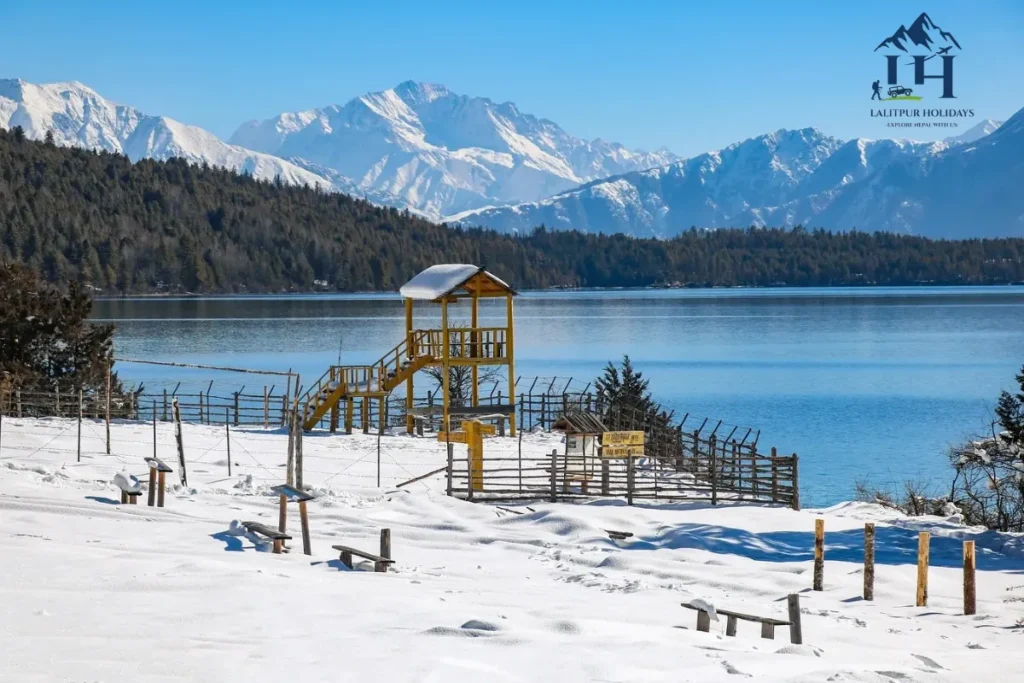
A road trip is not always easy. A short trek is not always hard. Long vehicle days can be tiring, especially on bumpy roads with few breaks.
A package with no trekking is not automatically an easy trip. Long Jeep journeys and quick altitude gain can still be demanding. Someone who walks well in Kathmandu may also find repeated uphill steps or high village walks tiring.
Families and senior travellers often need a slower pace. Parents with children may care less about the kilometres and more about how many hours they stay in the vehicle without a proper break.
| Effort Level | What It Usually Means |
| Low | Mostly road travel and short walks |
| Moderate | Longer road days, stairs and short hikes |
| High | Trekking days, sustained walking and altitude gain |
If you have health concerns, talk to your doctor before booking.
How Much Does Altitude Matter When Choosing a Tour?
Altitude matters a lot. A city tour in Kathmandu and a journey to a high mountain area are very different trips.
Altitude changes the experience even when there is no trekking. A road trip to a higher place may still need slower pacing. Fast gain in height can affect comfort, sleep and energy. Long travel days at altitude can feel harder than the same hours at low level.
Also look at where you sleep, not only the highest point you reach. Your overnight height often matters more than a single viewpoint.
A five-day high-altitude road trip may require more careful planning than a seven-day low-altitude cultural tour. Ask for the highest overnight point and how quickly the itinerary gains elevation.
Does Transport Change the Travel Experience?
Yes. Transport changes comfort, time, flexibility and what the route feels like.
Jeep / 4WD
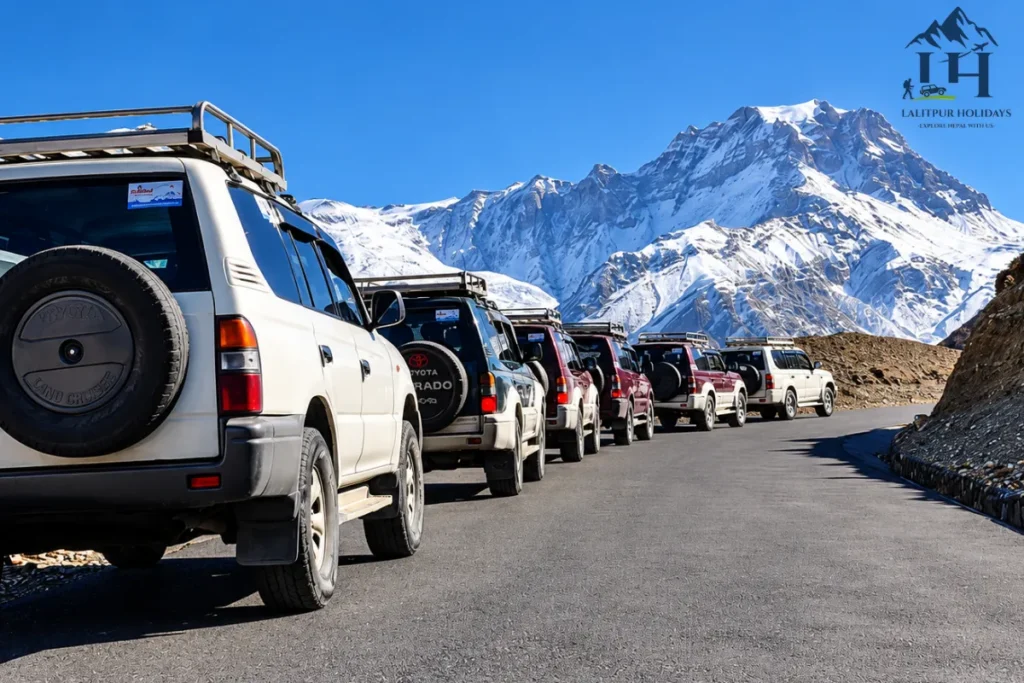
Jeep or 4WD travel is common on rougher mountain routes where road conditions and clearance matter. It can give a small group more control over stops, but long stretches on uneven roads can still be tiring. However, remote routes can still mean many hours of bumpy driving.
Bus / Shared Transport
Bus or shared transport can reduce per-person cost, especially for larger groups, but departure times and stop choices are usually less flexible.
Van / EV / Private Vehicle
A van or private vehicle is comfortable for families and private groups.A van, EV or private vehicle can be comfortable on suitable road routes, especially for families or smaller private groups. The actual choice should still match the road conditions and distance involved. You control the pace more, but it may cost more.
Domestic Flight
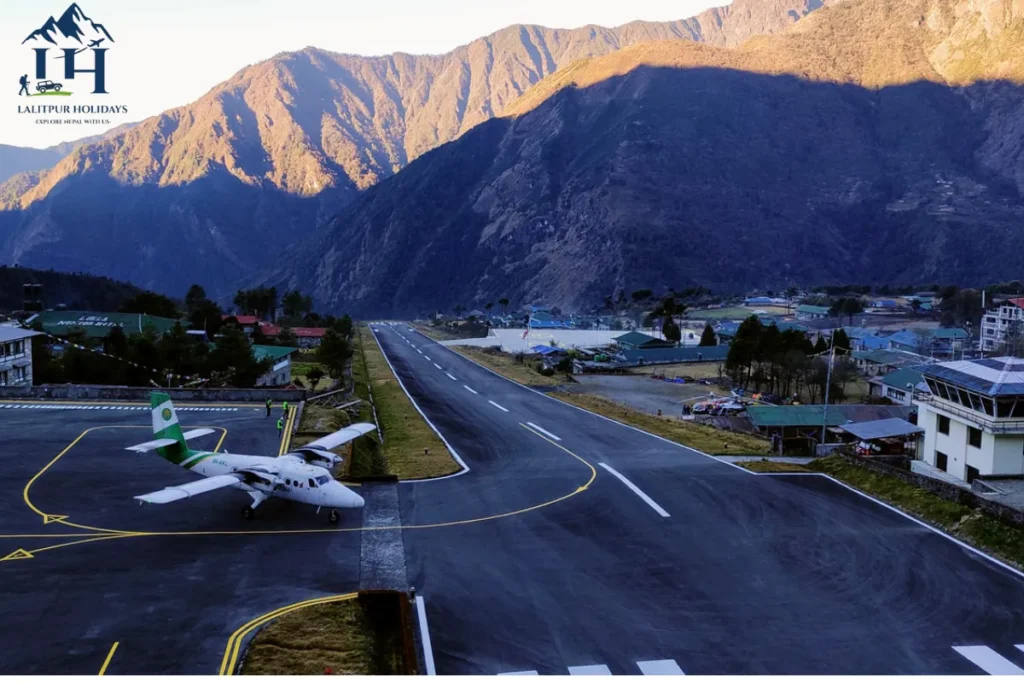
A domestic flight can remove a full road day from some itineraries, but the time saved only helps if the onward route also connects smoothly. Mountain flights can also be disrupted by weather, so travellers with a fixed international departure should keep some buffer.
Trekking
On a trek, the route is the experience. You move slowly and see more, but you also spend more energy.
A private Jeep may offer more flexibility on a remote route. A fixed bus departure may suit a larger domestic group on a tighter budget.
How Should International and Nepali Travellers Choose Differently?
Travellers from abroad and from within Nepal often face different planning limits. Neither group is better or worse. They simply start from different places.For example, an international visitor with seven days may want one easy connection between culture and scenery.
A Nepali family with a long weekend may care more about departure time, road condition and whether the destination is realistic within three or four days. The nationality itself is not the deciding factor; the planning constraints are.
How Does Season Affect Which Nepal Tour You Should Choose?
Season matters because different Nepal trips depend on different conditions. Instead of asking only “What is the best season for Nepal?”, ask what your chosen route depends on.
| Planning factor | International traveller | Nepali / domestic traveller |
| Starting point | Often begins after arrival in Kathmandu | May start from Kathmandu, Pokhara or another city |
| Available time | Fixed holiday window | Weekend, public holiday or short leave |
| Route planning | Connections, permits, flights, acclimatisation | Road condition, vehicle type, departure timing |
| Trip combination | May combine several regions | Often focuses on one destination or purpose |
| Cost planning | Package completeness and transfers | Group sharing, vehicle cost and short-trip value |
| Timing | International flights and buffer days | Festival dates, school/work holidays, pilgrimage timing |
- Spring and autumn: Mountain views are usually clearer, and conditions are often steadier. Trekking and scenic road trips usually suit these months.
- Monsoon: Rain can cause slow roads, landslides and flight delays. Culture or low-altitude trips are often easier to plan then.
- Winter: Days are cold, especially higher up. Some routes may be hard to reach, while lower cultural tours stay comfortable.
- Pilgrimage dates: Festival days can bring crowds. Book transport early.
The more remote the route, the more important it is to build weather and transport flexibility into the itinerary.
Which Nepal Tours Work Well for Different Travellers?
No single trip is best for everyone in a group. Match the trip to what matters most for you.
| Traveller | What to Prioritise |
| First-time visitor | Simple logistics, variety and a manageable pace |
| Family | Road time, comfort and easy walking |
| Senior traveller | Altitude, road comfort and walking level |
| Couple | Pace, privacy and scenic experience |
| Group | Vehicle size, shared cost and fixed departure |
These are starting points, not fixed rules. A fit senior traveller may enjoy a more active route, while a young family may prefer slower road days. Judge the trip by the actual people travelling, not by the label attached to the package.
Do Not Judge a Nepal Trip by Duration Alone
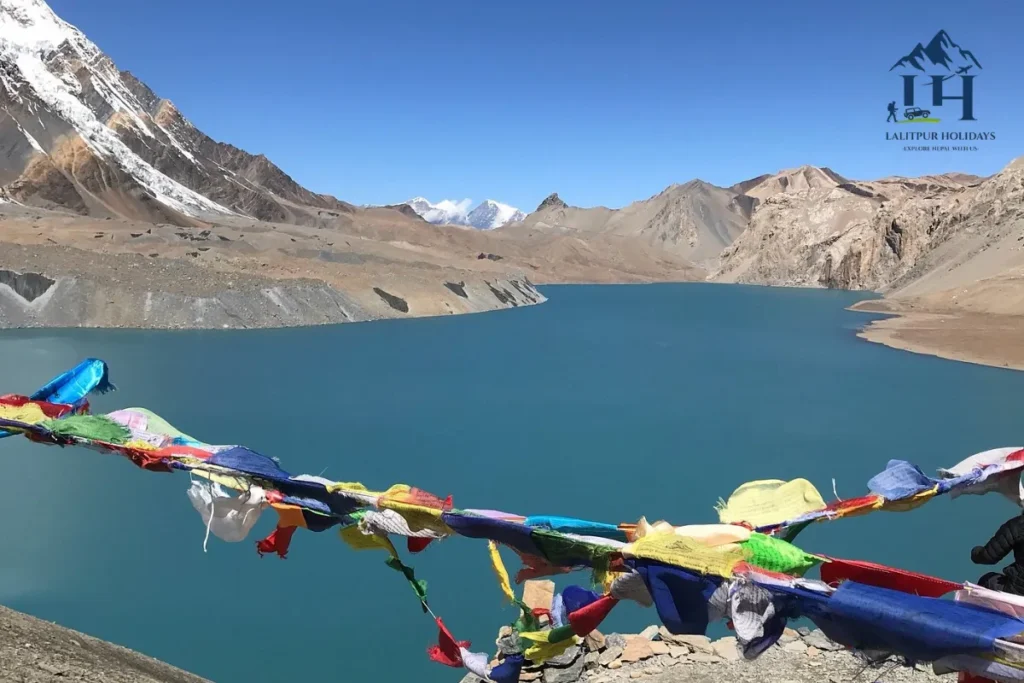
Two Nepal tours can both last five days and still feel completely different. A five-day cultural trip may include shorter drives, established hotels and plenty of time at each stop. A five-day pilgrimage journey may involve early departures, longer road sections, temple visits and some walking. Meanwhile, a five-day remote mountain trip can include rough roads, higher altitude and several hours in a Jeep each day.
So, before comparing packages by the number of days, look at how those days are actually used. Check how much time you will spend at the destination versus on the road. Look at the daily driving hours, walking involved, highest altitude, overnight locations, vehicle type and number of transfers.
A short itinerary with several long travel days may feel more demanding than a longer trip with a slower pace and more rest.
Duration tells you how long the package lasts. It does not tell you how demanding those days will feel.
How Should You Compare Nepal Tour Packages?
Do not compare two packages only by price and total days. Compare how each trip actually runs, day by day.
Compare Actual Travel Time
A four-day package can hide long road hours. Ask how many hours you travel each day.
Compare Physical Effort
A road trip, a light hike and a trek ask for different strength. Check daily walking time and steps.
Compare Altitude
Height changes pace and comfort. Look at the highest point and the highest overnight stay.
Compare Transport
Jeep, bus, van, flight or foot: each affects comfort, time and flexibility.
Compare Accommodation
Hotels, lodges and teahouses are not the same. Remote areas often have simpler rooms and fewer services.
Compare Route Complexity
Count the transfers, rough road sections, remote stretches and flights. More moving parts mean more chance of delay.
Compare What Is Included
Check meals, permits, accommodation, transport, guide and fees. A lower price may leave out items that you then pay for yourself.
Compare Time at the Destination
A four-day itinerary may sound generous until you see that most of day one and day four are spent travelling. Check how much time you actually have at the destination, not only how many nights are listed.
What Is Usually Included in a Nepal Tour Package?
Many Nepal packages include some of these items:
- Transport (private or shared)
- Accommodation
- Some or all meals
- A guide or driver-guide
- Permits, where needed
- Sightseeing
- Airport transfers
- Entrance fees
Inclusions vary by package. Do not assume that every Nepal tour includes meals, permits, domestic flights or entrance fees.
This matters because the headline price is only part of the cost. A cheaper package that leaves out permits and meals can cost more in the end. Ask for a written list of what is included and what is not. Compare packages line by line. Two packages with a similar headline price may offer very different value once transport, meals, permits, entrance fees and accommodation standards are considered.
Fixed Departure or Custom Tour: Which Is Better?
Neither is better for everyone. It depends on your budget, dates and how much you want to shape the trip.
| Type | Best For | Main Limitation |
| Fixed departure | Budget and group travel | Fixed dates |
| Private tour | Comfort and flexibility | Usually higher cost |
| Custom tour | Specific interests and timing | More planning |
Choose fixed departure when dates and group savings matter most. Choose private or custom travel when pace, family needs, route changes or specific interests matter more.
What Should You Ask Before Booking a Nepal Tour?
Ask these questions before you pay. Clear answers show a well-planned trip.
- What is the exact starting point?
- How many hours will we travel each day?
- What vehicle is used?
- How much walking is involved?
- What altitude will we reach?
- What is the highest overnight point?
- What type of accommodation is included?
- Which meals are included?
- Are permits included?
- Are entrance fees included?
- What happens if road or flight conditions change?
- Is the itinerary fixed or customisable?
- How much actual time do we have at the main destination?
- What happens if we cannot use the planned road or flight?
- Are there any long travel days that are not obvious from the itinerary?
If the answer is vague, ask for the itinerary in practical terms: daily travel hours, overnight locations, transport type and what is included.
A Simple Way to Choose Your Nepal Trip
Use these seven steps.
- Choose how many days you have. Count real travel days, not only holiday days.
- Choose the experience you want. Culture, pilgrimage, scenery, a road trip or trekking.
- Check physical effort and altitude. Be honest about your group.
- Check transport and route complexity. Count hours, transfers and flights.
- Check the season. Roads and flights change with the weather.
- Compare inclusions. Look past the price.
- Open the matching Nepal tour. Browse Lalitpur Holidays’ Nepal Tour Packages and pick the one that matches your answers.
Sources & Travel Information
Nepal Tourism Board – Trekking Permit Information
Department of Immigration – Trekking Routes & Permit Fees
Department of Roads – Road Condition Updates
Frequently Asked Questions About Choosing a Nepal Tour
How many days are enough for Nepal?
There is no single ideal number. Three or four days can work for a short road or cultural trip. Short cultural or nearby road trips can work in three or four days, while remote mountain journeys and trekking usually need more time. The right duration depends on travel hours, altitude and the pace of the itinerary.
Which Nepal tour is suitable for first-time visitors?
A simple tour with easy logistics and some variety usually suits first-time visitors. For a first trip, simple logistics matter more than fitting in the maximum number of places. A slower itinerary with one or two contrasting experiences is usually easier to manage than a route with constant transfers. Choose a pace that gives rest days, and avoid long road hours at the start.
Can I tour Nepal without trekking?
Yes. You can take cultural, scenic, pilgrimage and road trips without trekking. However, road journeys can still be long and tiring. Altitude may also affect you. Ask about daily driving hours and walking before you book.
Which Nepal tours are suitable for families?
Families usually do best with shorter driving days, comfortable vehicles and easy walks. Cultural and short scenic trips are common choices. Check road time and rest stops, especially with young children.
Are Nepal tour packages suitable for senior travellers?
Many are, if the trip matches their comfort. Seniors should look at altitude, road comfort and walking level. Lower-altitude cultural and scenic tours are often easier. Check with a doctor first if you have health concerns. Age alone does not determine suitability. Check altitude, walking, road comfort, daily travel hours and existing health needs before choosing.
What should a Nepal tour package include?
Common items are transport, accommodation, a guide, sightseeing and airport transfers. Meals, permits and entrance fees vary by package. Always ask for a written list of inclusions and exclusions before you pay.
Is a private or group tour better in Nepal?
It depends on your needs. A group tour usually costs less and suits fixed dates. A private tour offers more comfort and flexibility but often costs more. Choose by budget, pace and how much control you want.
Should I choose a Nepal tour mainly by price?
No. Price is only one part. Compare travel time, effort, altitude, transport, season and inclusions too. A cheaper tour may leave out meals or permits, or involve harder travel days than you expect.
Choose the Trip That Matches How You Want to Travel
Start with your time. Then pick the experience, and check effort, altitude, transport, season and inclusions. Each step narrows the field until one type of trip stands out.
The right Nepal tour is not always the cheapest, longest or most popular one. It is the one that fits your available time, comfort, travel style and the way you actually want to experience Nepal.
Once you know the type of journey that suits you, explore Lalitpur Holidays’ Nepal Tour Packages and compare options by destination, duration and travel style.
